

What is the light transmittance of AG glass?
Mar 10, 2026
As an AG glass supplier, I've encountered numerous inquiries regarding the light transmittance of AG glass. This property is crucial as it significantly impacts the performance and usability of products that incorporate AG glass, such as touch - screen devices, display panels, and anti - glare screen protectors.
Understanding Light Transmittance
Light transmittance refers to the proportion of incident light that passes through a material. In the context of AG glass, it is measured as a percentage. For instance, if a piece of AG glass has a light transmittance of 90%, it means that 90% of the light hitting the glass surface will pass through it, while the remaining 10% is either reflected or absorbed.
The light transmittance of AG glass depends on several factors. The manufacturing process is a primary determinant. Different etching or coating methods used to create the anti - glare surface can affect how much light the glass allows to pass through. A high - quality manufacturing process can ensure that the light transmittance remains relatively high, even after the anti - glare treatment.
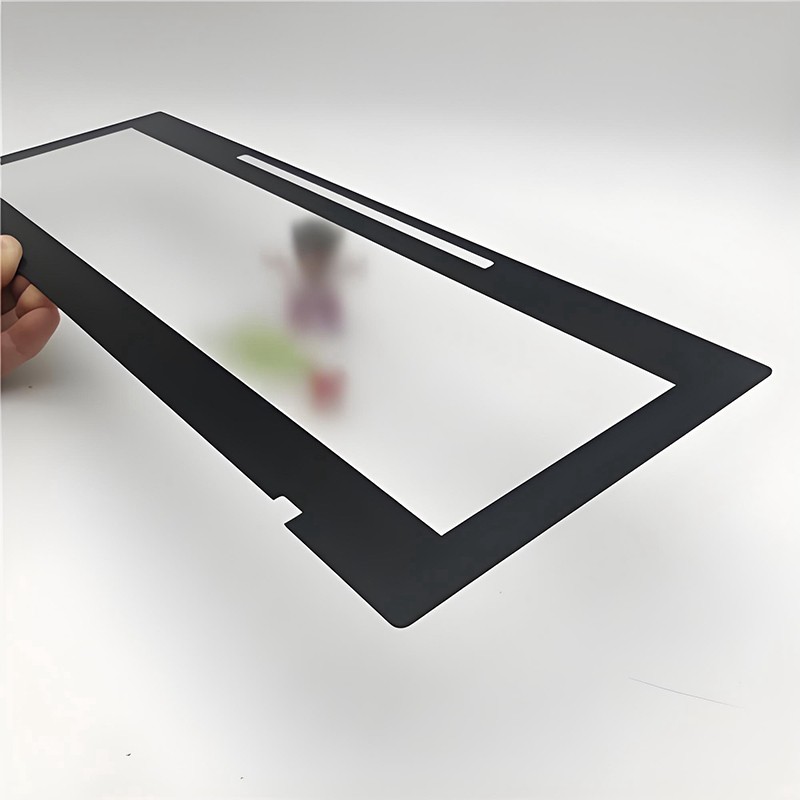

The base glass material also plays a role. Not all base glasses have the same inherent light - transmitting properties. For example, some high - clarity glasses may offer better light transmission compared to others. Additionally, the thickness of the AG glass can influence light transmittance. Generally, thicker glasses may absorb or scatter more light, resulting in lower light transmittance.
Ideal Light Transmittance for Different Applications
Touch Screen AG Glass
For Touch Screen AG Glass, a high light transmittance is highly desirable. In touch - screen devices like smartphones, tablets, and interactive kiosks, users rely on clear and bright visuals to interact with the interface effectively. A touch - screen with high - light transmittance AG glass will display colors more vividly and text more clearly.
Typically, for touch - screen applications, an ideal light transmittance for AG glass ranges from 88% to 92%. This range ensures that the screen is bright enough even in well - lit environments, while still providing the anti - glare benefits. If the light transmittance is too low, the screen may appear dim, making it difficult for users to see the content, especially in outdoor settings.
Tempered Glass Anti Glare Screen Protector
The Tempered Glass Anti Glare Screen Protector is another popular product that utilizes AG glass. These screen protectors are designed to protect the device's screen from scratches, cracks, and also reduce glare. Similar to touch - screen AG glass, a high light transmittance is essential.
Screen protectors should have a light transmittance of around 85% - 90%. This allows the original screen's clarity to shine through while providing the necessary anti - glare function. A screen protector with low light transmittance can give the screen a dull or hazy appearance, which is not ideal for users who want to enjoy the full visual experience of their devices.
Display Anti Glare
In Display Anti Glare applications, such as computer monitors, TVs, and digital signage, the light transmittance requirements can vary. For indoor displays in low - light environments, a slightly lower light transmittance may be acceptable as long as it provides sufficient anti - glare properties. However, for outdoor displays or those in brightly lit areas, a high light transmittance is crucial.
For most display applications, a light transmittance of 80% - 90% is a good range. This ensures that the display can be easily viewed from different angles and in various lighting conditions. Displays with higher light transmittance can show more accurate colors and sharper images, enhancing the overall viewing experience.
Measuring Light Transmittance
To measure the light transmittance of AG glass, specialized equipment is used. A spectrophotometer is one of the most common tools. It works by shining a beam of light through the glass sample and measuring the intensity of the light that passes through. The instrument then calculates the light transmittance percentage based on the ratio of the incident light intensity to the transmitted light intensity.
The measurement is usually taken at different wavelengths of light, as the light transmittance can vary depending on the color of light. For example, some AG glasses may have better transmittance for visible light in the green part of the spectrum compared to the blue or red parts. By measuring at multiple wavelengths, a more comprehensive understanding of the glass's light - transmitting properties can be obtained.
Impact of Low Light Transmittance
If the light transmittance of AG glass is too low, it can have several negative impacts on the end - product. In touch - screen devices, as mentioned earlier, the screen may appear dim, which can lead to eye strain for users. In addition, colors may not be displayed accurately, and the overall visual quality may be compromised.
For display applications, low light transmittance can make the content difficult to read or view, especially in bright environments. This can be a significant problem for digital signage or outdoor displays, where the goal is to attract the attention of passers - by. A display with poor light transmittance may go unnoticed, reducing its effectiveness as a marketing or informational tool.
Our AG Glass Offerings
As a leading AG glass supplier, we are committed to providing products with optimal light transmittance. Our manufacturing processes are carefully calibrated to ensure that the anti - glare treatment does not significantly reduce the light - transmitting capabilities of the glass. We use high - quality base glasses and advanced coating techniques to achieve the desired balance between anti - glare performance and light transmittance.
Our Touch Screen AG Glass offers excellent light transmittance, typically within the 88% - 92% range, ensuring clear and vibrant visuals for touch - screen devices. Our Tempered Glass Anti Glare Screen Protectors have a light transmittance of 85% - 90%, providing both protection and a clear view of the screen. And our Display Anti Glare products are designed to meet the specific light - transmittance requirements of different display applications, with a range of 80% - 90%.
Contact Us for Procurement
If you are in the market for high - quality AG glass products with excellent light transmittance, we invite you to contact us for a procurement discussion. Our team of experts can help you select the right AG glass solution for your specific needs, whether it's for touch - screen devices, screen protectors, or display applications. We are dedicated to providing top - notch products and outstanding customer service.
References
- Smith, J. (2020). "The Science of Glass and Its Applications." Glass Technology Press.
- Johnson, A. (2019). "Anti - Glare Technologies for Display Devices." Display Science Journal.
- Williams, B. (2021). "Light Transmittance Measurement Techniques in the Glass Industry." Glass Manufacturing Review.