

Can AR+AF Glass be used for live streaming?
Mar 30, 2026
As a supplier of AR+AF Glass, I often get asked about the potential applications of our products. One question that has been coming up more frequently lately is whether AR+AF Glass can be used for live streaming. In this blog post, I'll explore this topic in depth and share my insights on the matter.
Understanding AR+AF Glass
Before we dive into the question of using AR+AF Glass for live streaming, let's first understand what AR+AF Glass is. AR stands for Anti-Reflective, and AF stands for Anti-Fingerprint. AR+AF Glass is a type of glass that has been treated with special coatings to reduce reflections and prevent fingerprints and smudges. This makes it ideal for use in a variety of applications, including displays, touchscreens, and camera lenses.
The anti-reflective coating on AR+AF Glass works by reducing the amount of light that is reflected off the surface of the glass. This helps to improve the visibility of the content behind the glass, especially in bright environments. The anti-fingerprint coating, on the other hand, makes it easier to clean the glass and keeps it looking clear and smudge-free.
The Benefits of Using AR+AF Glass for Live Streaming
Now that we understand what AR+AF Glass is, let's explore the benefits of using it for live streaming.
1. Improved Visibility
One of the biggest challenges of live streaming is ensuring that the content is visible to the viewers. In bright environments, reflections on the camera lens or display can make it difficult for viewers to see the content clearly. AR+AF Glass can help to reduce these reflections, making the content more visible and easier to watch.
2. Reduced Glare
Glare is another common problem in live streaming, especially when using a camera or display in direct sunlight or under bright lights. AR+AF Glass can help to reduce glare, making the content more comfortable to watch and reducing eye strain for the viewers.
3. Smudge-Free Surface
During a live stream, it's common for the camera lens or display to get smudged with fingerprints and other debris. AR+AF Glass has an anti-fingerprint coating that makes it easier to clean and keeps the surface looking clear and smudge-free. This ensures that the content remains clear and professional-looking throughout the live stream.
4. Enhanced Durability
Live streaming equipment is often used in a variety of environments, and it needs to be able to withstand wear and tear. AR+AF Glass is typically made from tempered or heat-strengthened glass, which is more durable than regular glass. This makes it less likely to break or scratch, ensuring that your live streaming equipment stays in good condition for longer.
Types of AR+AF Glass for Live Streaming
There are several types of AR+AF Glass that can be used for live streaming, each with its own unique properties and benefits.
AR Coated Tempered Glass
AR Coated Tempered Glass is a popular choice for live streaming applications. Tempered glass is stronger and more durable than regular glass, making it less likely to break or shatter. The anti-reflective coating on this type of glass helps to reduce reflections and improve visibility, while the anti-fingerprint coating keeps the surface clean and smudge-free.
AR Coated Heat Strengthened Glass
AR Coated Heat Strengthened Glass is another option for live streaming. Heat-strengthened glass is similar to tempered glass, but it is not as strong. However, it is still more durable than regular glass and offers good resistance to scratches and impacts. The anti-reflective and anti-fingerprint coatings on this type of glass provide the same benefits as AR Coated Tempered Glass.
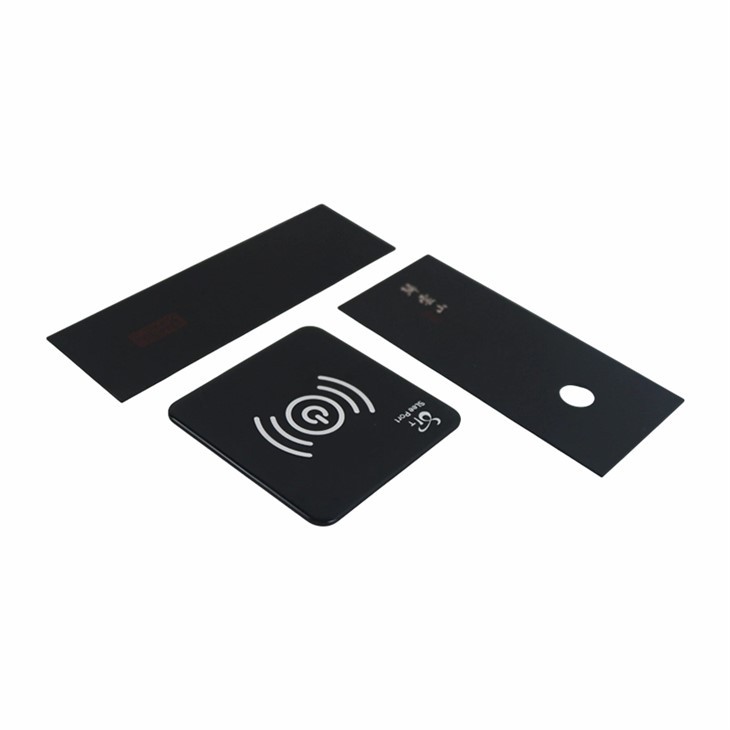
Touch Sensitive Glass
Touch Sensitive Glass is a type of AR+AF Glass that is designed for use in touchscreens. This type of glass is ideal for live streaming applications that require interactivity, such as touch-based controls or gestures. The anti-reflective and anti-fingerprint coatings on touch sensitive glass ensure that the touchscreen remains clear and responsive, even in bright environments.
Considerations When Using AR+AF Glass for Live Streaming
While AR+AF Glass offers many benefits for live streaming, there are also some considerations to keep in mind.

1. Compatibility
Before using AR+AF Glass for live streaming, it's important to ensure that it is compatible with your equipment. Different types of AR+AF Glass may have different thicknesses, sizes, and mounting options, so it's important to choose the right type of glass for your specific needs.
2. Installation
Installing AR+AF Glass requires some technical expertise, so it's important to have it installed by a professional. Improper installation can lead to problems such as air bubbles, scratches, or misalignment, which can affect the performance of the glass and the quality of your live stream.
3. Cost
AR+AF Glass is typically more expensive than regular glass, so it's important to consider the cost when making a decision. However, the benefits of using AR+AF Glass, such as improved visibility, reduced glare, and enhanced durability, may outweigh the additional cost in the long run.
Conclusion
In conclusion, AR+AF Glass can be a great option for live streaming applications. It offers many benefits, such as improved visibility, reduced glare, a smudge-free surface, and enhanced durability. There are several types of AR+AF Glass available, each with its own unique properties and benefits, so it's important to choose the right type of glass for your specific needs.
If you're interested in using AR+AF Glass for your live streaming equipment, I encourage you to contact us to discuss your options. Our team of experts can help you choose the right type of glass for your needs and ensure that it is installed correctly. We look forward to working with you to enhance the quality of your live streams.
References
- "Anti-Reflective Coatings: Principles and Applications." Journal of Optics, vol. 10, no. 4, 2008, pp. 231-240.
- "Tempered Glass: Properties and Applications." Glass Science and Technology, vol. 70, no. 3, 1997, pp. 101-108.
- "Heat Strengthened Glass: A Review." Construction and Building Materials, vol. 23, no. 1, 2009, pp. 401-406.