

Does AG+AF Glass need to be replaced regularly?
Mar 18, 2026
As a supplier of AG+AF Glass, I often encounter questions from clients regarding the necessity of regular replacement of this specialized glass. AG+AF Glass, which combines anti-glare (AG) and anti-fingerprint (AF) properties, is widely used in various applications such as mobile devices, tablets, monitors, and touchscreens. In this blog post, I will delve into the factors that determine whether AG+AF Glass needs to be replaced regularly and provide insights to help you make informed decisions.
Understanding AG+AF Glass
Before discussing the replacement requirements, it is essential to understand the composition and functions of AG+AF Glass. The anti-glare coating on AG Glass reduces reflections and glare, improving visibility in bright environments. This is achieved through a process that creates a microscopically rough surface, scattering light and reducing the amount of reflected light that reaches the viewer's eyes. On the other hand, the anti-fingerprint coating on AF Glass repels oils and fingerprints, making the glass surface easier to clean and maintain. The AF coating is typically a thin layer of a hydrophobic and oleophobic material that reduces the adhesion of contaminants.
Factors Affecting the Lifespan of AG+AF Glass
The lifespan of AG+AF Glass can vary depending on several factors, including the quality of the coatings, the environment in which the glass is used, and the frequency of use.
Quality of Coatings
The quality of the AG and AF coatings plays a crucial role in determining the durability of the glass. High-quality coatings are more resistant to wear and tear, scratches, and chemical damage. When choosing AG+AF Glass, it is important to select a supplier that uses advanced coating technologies and high-quality materials. As a reputable AG+AF Glass supplier, we invest in research and development to ensure that our coatings meet the highest standards of quality and performance.
Environmental Conditions
The environment in which the AG+AF Glass is used can also have a significant impact on its lifespan. Glass used in harsh environments, such as outdoor displays or industrial settings, is more likely to be exposed to dirt, dust, moisture, and chemicals, which can degrade the coatings over time. Additionally, extreme temperatures and humidity can also affect the performance of the coatings. For example, high temperatures can cause the AF coating to break down, reducing its anti-fingerprint properties. In such cases, more frequent replacement may be necessary.
Frequency of Use
The frequency of use is another important factor to consider. Glass that is used frequently, such as in touchscreens or mobile devices, is more likely to be subjected to scratches, abrasions, and fingerprints. Over time, these repeated interactions can wear down the coatings, reducing their effectiveness. For example, in a busy retail environment where customers are constantly touching and interacting with the display, the AG+AF Glass may need to be replaced more often compared to a glass used in a less frequently accessed device.
Signs that AG+AF Glass Needs to be Replaced
While the lifespan of AG+AF Glass can vary, there are several signs that indicate it may be time to replace the glass.
Visible Scratches and Damage
One of the most obvious signs is the presence of visible scratches or damage on the glass surface. Scratches can not only affect the appearance of the glass but also reduce its anti-glare and anti-fingerprint properties. If the scratches are deep or numerous, they can also compromise the structural integrity of the glass, making it more prone to breakage.
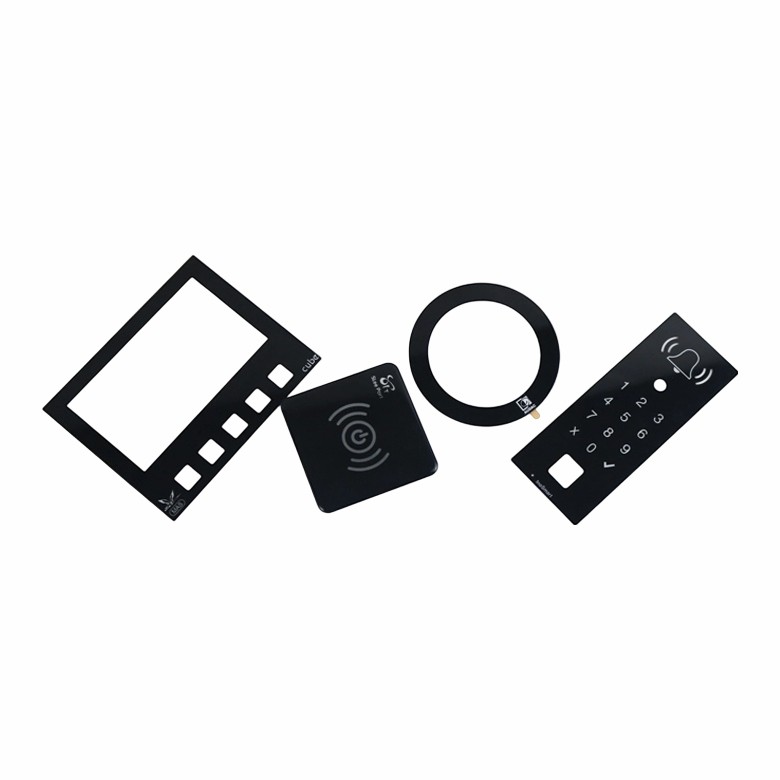
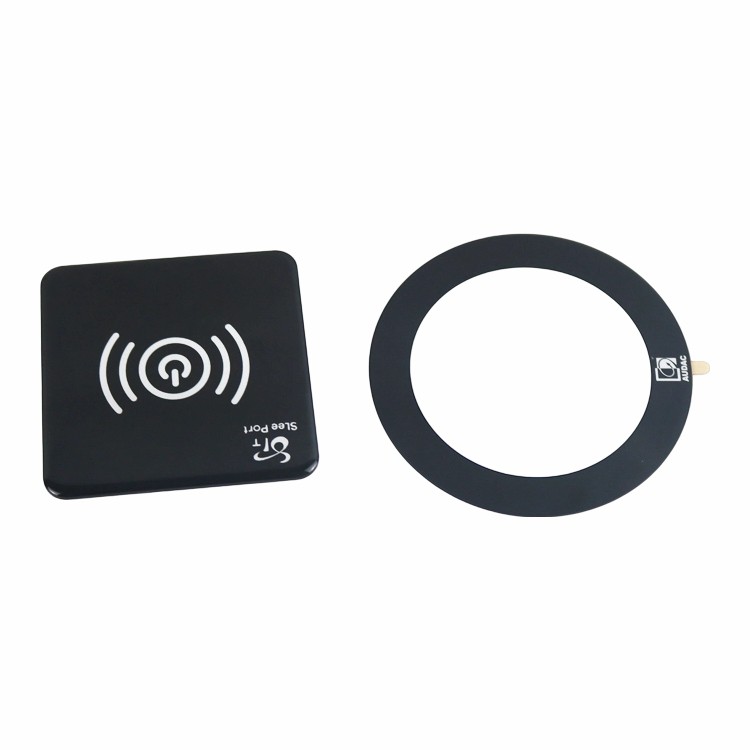
Reduced Anti-Glare or Anti-Fingerprint Performance
If you notice that the glass is no longer reducing glare as effectively as it used to or if fingerprints are becoming more difficult to clean off, it may be a sign that the coatings are wearing out. This can result in a decrease in visibility and an overall poor user experience.
Chemical Damage
Exposure to chemicals, such as cleaning agents or solvents, can also damage the AG and AF coatings. If the glass has been exposed to chemicals and you notice a change in its appearance or performance, it is advisable to have it inspected and potentially replaced.
Benefits of Regular Replacement
While regular replacement of AG+AF Glass may seem like an additional cost, it can actually provide several benefits in the long run.
Improved User Experience
Replacing the glass when the coatings start to wear out can significantly improve the user experience. Clearer visibility, reduced glare, and easier cleaning can enhance the functionality and usability of the device or display. For example, in a mobile device, a fresh AF coating can make it easier to operate the touchscreen and keep the device looking clean and new.
Extended Device Lifespan
By replacing the AG+AF Glass regularly, you can also help extend the lifespan of the device or display. The coatings protect the underlying glass from scratches and damage, which can prevent more serious issues from occurring. This can save you money in the long term by reducing the need for expensive repairs or replacements of the entire device.
Maintaining Brand Image
In commercial applications, such as retail displays or corporate signage, the appearance of the glass can have a significant impact on the brand image. A dirty or scratched glass can give a negative impression to customers, while a clean and clear glass can enhance the overall aesthetic appeal of the display. Regular replacement of the AG+AF Glass can help maintain a professional and attractive appearance.
When is Replacement Not Necessary?
In some cases, regular replacement of AG+AF Glass may not be necessary. If the glass is used in a low-traffic environment, such as a home office or a private setting, and is not exposed to harsh conditions or frequent use, the coatings may last for a longer period of time. Additionally, if the glass is properly maintained, such as by using gentle cleaning methods and avoiding contact with sharp objects, the lifespan of the coatings can be extended.
Conclusion
In conclusion, whether AG+AF Glass needs to be replaced regularly depends on a variety of factors, including the quality of the coatings, the environment in which the glass is used, and the frequency of use. By understanding these factors and monitoring the condition of the glass, you can determine the appropriate replacement schedule. As a trusted AG+AF Glass supplier, we are committed to providing our customers with high-quality products and expert advice on glass maintenance and replacement. If you have any questions or need further information about AG+AF Glass, please feel free to contact us. We look forward to discussing your specific requirements and helping you find the best solution for your needs.
If you are interested in purchasing high-quality AG+AF Glass, you can explore our range of AF Coated Glass, Display AF Glass, and Screen AF Glass. Contact us today to start a procurement discussion and discover how our AG+AF Glass can enhance the performance and appearance of your devices or displays.
References
- "Anti-Glare and Anti-Fingerprint Coatings for Glass," Journal of Glass Science and Technology.
- "Durability of Coated Glass in Harsh Environments," International Journal of Materials Science.
- "The Impact of Coating Quality on the Lifespan of AG+AF Glass," Proceedings of the Glass Technology Conference.