
How does AR coated glass perform in high - altitude areas?
Jul 14, 2026
As a supplier of AR coated glass, I've had the privilege of witnessing the remarkable performance of this innovative product in various environments. High - altitude areas present a unique set of challenges and opportunities for AR coated glass, and in this blog, I'll delve into how our AR coated glass fares in these extreme conditions.
Understanding AR Coated Glass
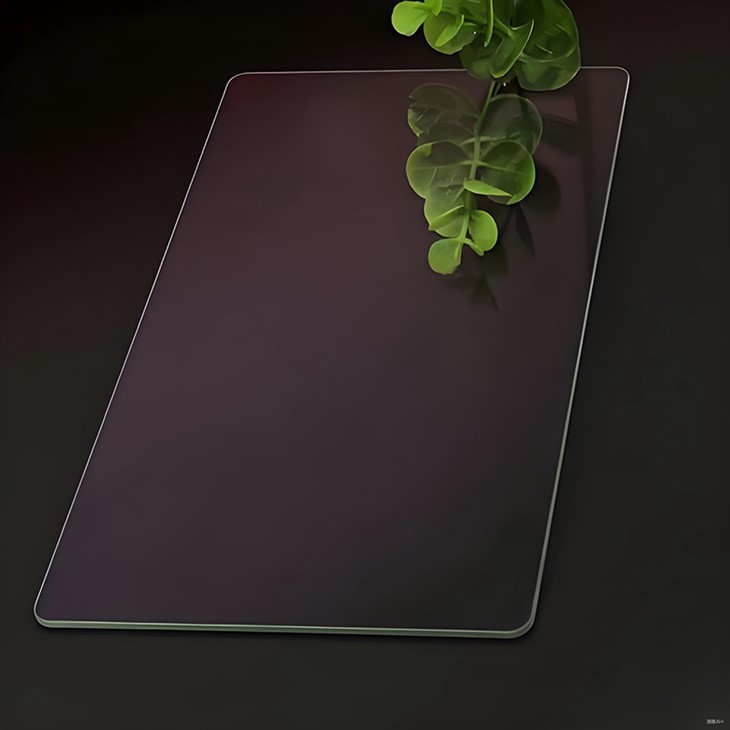
Before discussing its performance in high - altitude areas, let's first understand what AR coated glass is. AR coated glass, or anti - reflective coated glass, is designed to reduce reflections and increase light transmission. This is achieved through a thin layer of coating applied to the glass surface, which helps to minimize the amount of light that is reflected off the glass and allows more light to pass through. You can learn more about AR Coated Glass on our website.
The coating is typically made of multiple layers of metal oxides, which are carefully engineered to have specific optical properties. These properties are optimized to reduce reflections at specific wavelengths of light, making the glass more transparent and less prone to glare.
Challenges in High - Altitude Areas
High - altitude areas are characterized by several environmental factors that can pose challenges to glass products. Firstly, the lower air pressure at high altitudes can affect the physical properties of materials. Glass is a brittle material, and changes in air pressure can potentially cause stress on the glass, leading to cracking or breakage.
Secondly, high - altitude areas often experience extreme temperature variations. During the day, the sun can be intense, causing the glass to heat up rapidly. At night, temperatures can drop significantly, leading to thermal stress on the glass. These rapid temperature changes can also cause the glass to expand and contract, which may lead to structural damage over time.
Another challenge is the increased exposure to ultraviolet (UV) radiation. At higher altitudes, the atmosphere is thinner, which means that there is less protection from the sun's UV rays. Prolonged exposure to UV radiation can cause the glass to discolor or degrade the coating over time.
Performance of AR Coated Glass in High - Altitude Areas
Light Transmission
One of the key advantages of AR coated glass in high - altitude areas is its ability to maintain high light transmission. In these areas, sunlight is often more intense, and reducing reflections is crucial for applications such as solar panels, windows in mountain cabins, and optical instruments. Our AR coated glass can significantly reduce reflections, allowing more sunlight to pass through. This is especially important for solar panels, as increased light transmission can lead to higher energy efficiency.
Resistance to Temperature Changes
Our AR coated glass is designed to withstand extreme temperature variations. The coating helps to improve the glass's thermal stability, reducing the risk of thermal stress and cracking. For example, AR Coated Heat Strengthened Glass has enhanced strength and can better handle the rapid temperature changes that are common in high - altitude areas.
UV Resistance
The coating on our AR coated glass provides excellent UV resistance. This helps to prevent the glass from discoloring or degrading due to long - term exposure to UV radiation. This is particularly important for applications where the glass is exposed to direct sunlight for extended periods, such as in outdoor signage or windows in high - altitude buildings.
Durability
In high - altitude areas, the glass is also exposed to harsh weather conditions, such as strong winds and blowing sand. Our AR coated glass is highly durable and can resist abrasion and damage from these environmental factors. The coating acts as a protective layer, preventing scratches and other forms of damage that could affect the glass's performance.
Applications in High - Altitude Areas
Solar Energy
Solar panels are widely used in high - altitude areas due to the abundant sunlight. AR coated glass can significantly improve the efficiency of solar panels by reducing reflections and increasing light absorption. This allows solar panels to generate more electricity, making them a more viable option for power generation in these areas.
Architecture
In high - altitude buildings, such as mountain resorts or research stations, AR coated glass can be used for windows and facades. It not only provides clear visibility but also helps to reduce glare and heat gain. This can improve the comfort of the building's occupants and reduce energy consumption for cooling.
Optical Instruments
Optical instruments, such as telescopes and binoculars, are often used in high - altitude areas for astronomical observations or wildlife viewing. AR coated glass can enhance the performance of these instruments by reducing reflections and improving image clarity.
Case Studies
Let's take a look at some real - world examples of how our AR coated glass has performed in high - altitude areas.
In a solar power project in the Himalayas, our AR coated glass was used on solar panels. The project reported a significant increase in energy production compared to panels without the AR coating. The reduced reflections allowed more sunlight to be absorbed by the solar cells, resulting in higher efficiency.
In a mountain resort in the Alps, AR coated glass was installed in the windows of the cabins. The guests reported less glare and better visibility, even on sunny days. The glass also helped to keep the cabins cooler during the day, reducing the need for air conditioning.

Why Choose Our AR Coated Glass
As a supplier, we are committed to providing high - quality AR coated glass that meets the specific needs of our customers. Our glass is manufactured using advanced technology and high - quality materials, ensuring its performance and durability in high - altitude areas.
We offer a range of AR coated glass products, including AR Coated Heat Strengthened Glass and Glass Of Touch, which are suitable for different applications. Our team of experts can provide technical support and guidance to help you choose the right product for your project.
Conclusion
In conclusion, AR coated glass performs exceptionally well in high - altitude areas. Its ability to reduce reflections, withstand temperature changes, resist UV radiation, and maintain durability makes it an ideal choice for various applications in these extreme environments. Whether you are involved in solar energy, architecture, or optical instruments, our AR coated glass can provide the performance and reliability you need.
If you are interested in learning more about our AR coated glass products or have a project in a high - altitude area, we invite you to contact us for a detailed discussion. Our team is ready to assist you in finding the best solution for your specific requirements.
References
- "Optical Properties of Anti - Reflective Coatings on Glass", Journal of Optics
- "Thermal Behavior of Glass in Extreme Environments", International Journal of Materials Science
- "UV Resistance of Coated Glass", Glass Technology: European Journal of Glass Science and Technology Part A