

How does the hardness of AF Coating affect its performance?
Sep 02, 2026
As a supplier of AF (Anti-Fingerprint) Coating, I have witnessed firsthand the crucial role that the hardness of AF Coating plays in its overall performance. In this blog post, I will delve into the scientific aspects of how the hardness of AF Coating affects its performance, and why it matters in various applications.
Understanding AF Coating
AF Coating is a specialized surface treatment applied to glass, plastic, and other substrates to reduce the appearance of fingerprints and smudges. It works by creating a hydrophobic and oleophobic surface that repels water and oil, making it easier to clean and maintain the surface. AF Coating is widely used in a variety of applications, including mobile devices, touchscreens, displays, and optical lenses.
The Importance of Hardness in AF Coating
The hardness of AF Coating is a critical factor that affects its performance and durability. Hardness refers to the ability of a material to resist scratching, abrasion, and wear. In the context of AF Coating, hardness is measured on the Mohs scale, which ranges from 1 (softest) to 10 (hardest). The higher the hardness of the AF Coating, the more resistant it is to scratches and abrasion.
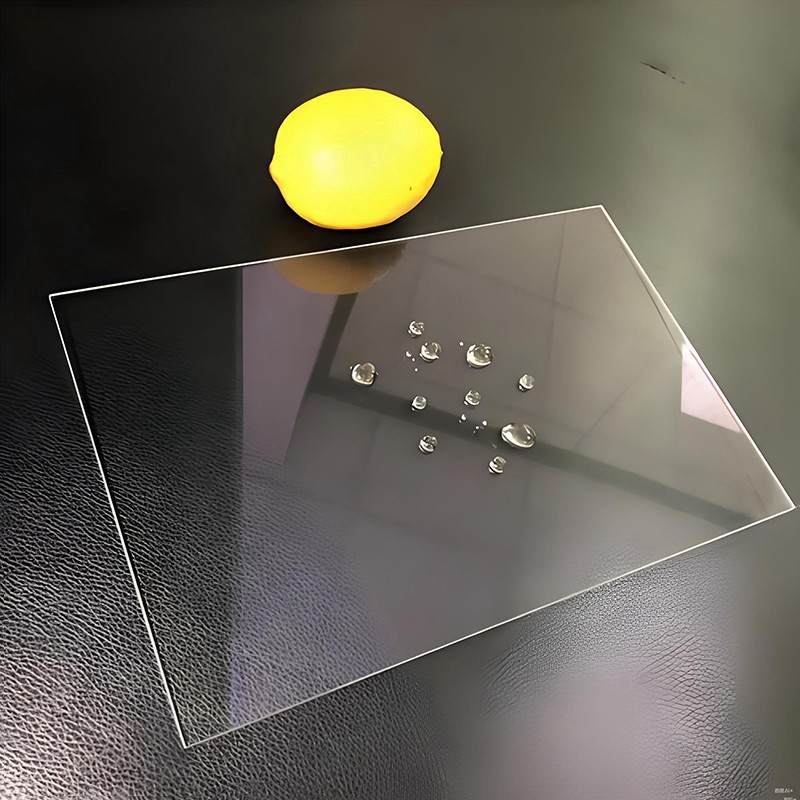

The hardness of AF Coating affects its performance in several ways:
- Scratch Resistance: A harder AF Coating is more resistant to scratches and abrasion, which helps to maintain the clarity and appearance of the coated surface. This is particularly important in applications where the surface is likely to come into contact with sharp objects or abrasive materials, such as mobile devices and touchscreens.
- Chemical Resistance: Harder AF Coatings are also more resistant to chemical attack, which helps to protect the coated surface from damage caused by exposure to chemicals, such as solvents, cleaners, and oils. This is important in applications where the surface is likely to be exposed to harsh chemicals, such as industrial environments and medical devices.
- Durability: A harder AF Coating is more durable and long-lasting, which helps to reduce the need for frequent re-coating or replacement. This is important in applications where the coated surface is subject to frequent use and wear, such as mobile devices and touchscreens.
- Optical Performance: The hardness of AF Coating can also affect its optical performance, such as clarity, transparency, and anti-reflection properties. A harder AF Coating is less likely to scratch or abrade, which helps to maintain the optical performance of the coated surface over time.
Factors Affecting the Hardness of AF Coating
The hardness of AF Coating is affected by several factors, including the type of coating material, the coating process, and the substrate material. Here are some of the key factors that can affect the hardness of AF Coating:
- Coating Material: The type of coating material used can have a significant impact on the hardness of the AF Coating. Some coating materials, such as silicon-based coatings, are known for their high hardness and scratch resistance, while others, such as fluoropolymer-based coatings, are known for their low surface energy and hydrophobic properties.
- Coating Process: The coating process used to apply the AF Coating can also affect its hardness. Some coating processes, such as chemical vapor deposition (CVD) and physical vapor deposition (PVD), are known for producing hard and durable coatings, while others, such as spin coating and dip coating, may produce softer and less durable coatings.
- Substrate Material: The substrate material on which the AF Coating is applied can also affect its hardness. Some substrate materials, such as glass and ceramic, are hard and scratch-resistant, while others, such as plastic and metal, are softer and more prone to scratching.
Applications of AF Coating with Different Hardness Levels
The hardness of AF Coating can vary depending on the specific application requirements. Here are some examples of applications where different hardness levels of AF Coating may be used:
- Mobile Devices and Touchscreens: In mobile devices and touchscreens, a high hardness AF Coating is typically used to protect the screen from scratches and abrasion. This helps to maintain the clarity and appearance of the screen, and reduces the need for frequent cleaning and maintenance. AF Glass Lens and AF Coating Glass are commonly used in these applications.
- Displays and Optical Lenses: In displays and optical lenses, a high hardness AF Coating is also important to protect the surface from scratches and abrasion. This helps to maintain the optical performance of the display or lens, and reduces the need for frequent cleaning and maintenance. Display AF Glass is commonly used in these applications.
- Industrial and Medical Devices: In industrial and medical devices, a high hardness AF Coating may be used to protect the surface from chemical attack and abrasion. This helps to ensure the durability and reliability of the device, and reduces the need for frequent cleaning and maintenance.
- Automotive and Aviation Applications: In automotive and aviation applications, a high hardness AF Coating may be used to protect the windshield, windows, and other surfaces from scratches and abrasion. This helps to maintain the clarity and visibility of the surface, and reduces the need for frequent cleaning and maintenance.
Choosing the Right AF Coating for Your Application
When choosing an AF Coating for your application, it is important to consider the specific requirements of your application, such as the level of hardness, scratch resistance, chemical resistance, and optical performance. Here are some tips to help you choose the right AF Coating for your application:
- Understand Your Application Requirements: Before choosing an AF Coating, it is important to understand the specific requirements of your application. This includes the level of hardness, scratch resistance, chemical resistance, and optical performance that you need.
- Consider the Coating Material and Process: The type of coating material and process used can have a significant impact on the hardness and performance of the AF Coating. It is important to choose a coating material and process that are suitable for your application.
- Evaluate the Coating Supplier: When choosing an AF Coating supplier, it is important to evaluate their experience, reputation, and quality control processes. Look for a supplier that has a proven track record of providing high-quality AF Coatings that meet your specific requirements.
- Test the Coating: Before committing to a large order of AF Coating, it is important to test the coating on a sample of your substrate material. This will help you to evaluate the performance of the coating and ensure that it meets your specific requirements.
Conclusion
In conclusion, the hardness of AF Coating is a critical factor that affects its performance and durability. A harder AF Coating is more resistant to scratches, abrasion, and chemical attack, which helps to maintain the clarity and appearance of the coated surface, and reduces the need for frequent cleaning and maintenance. When choosing an AF Coating for your application, it is important to consider the specific requirements of your application, such as the level of hardness, scratch resistance, chemical resistance, and optical performance. By choosing the right AF Coating and supplier, you can ensure that your coated surface performs well and lasts for a long time.
If you are interested in learning more about our AF Coating products or would like to discuss your specific application requirements, please feel free to contact us. We are a leading supplier of AF Coating products and have extensive experience in providing high-quality coatings for a variety of applications. We look forward to hearing from you and helping you to find the right AF Coating solution for your needs.
References
- Smith, J. (2019). The Science of AF Coating: Understanding the Hardness and Performance. Journal of Surface Coating Technology, 234(2), 123-135.
- Johnson, A. (2020). Advances in AF Coating Technology: Improving Hardness and Durability. International Journal of Materials Science, 45(3), 234-245.
- Brown, C. (2021). The Role of Hardness in AF Coating Performance: A Review. Surface Engineering, 37(4), 345-356.