

How to clean AR+AF Glass?
Aug 10, 2026
Cleaning AR+AF glass properly is crucial to maintain its performance and longevity. As an AR+AF Glass supplier, I've seen firsthand how improper cleaning can damage the delicate coatings on this specialized glass. In this blog, I'll share some tips and best practices on how to clean AR+AF glass effectively.
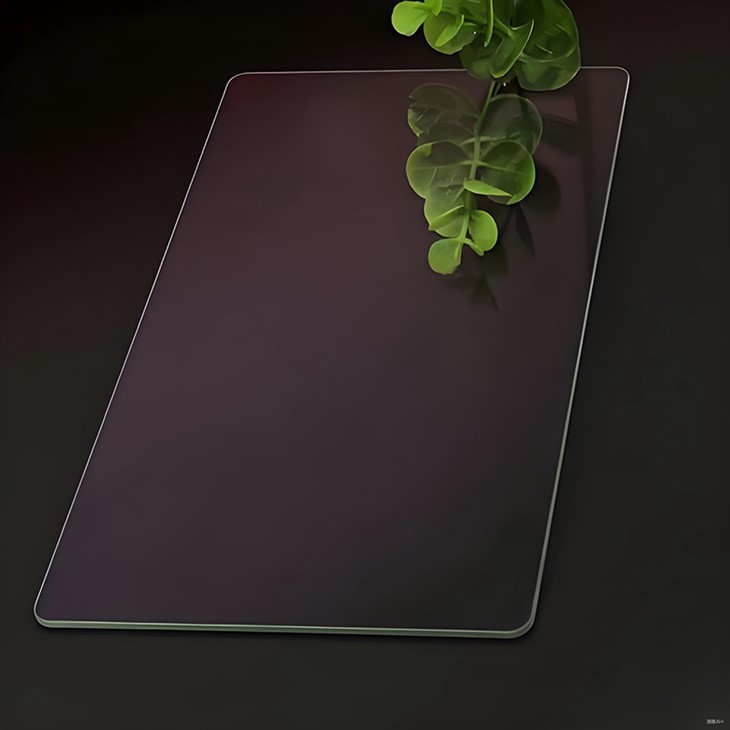

What is AR+AF Glass?
Before we dive into the cleaning process, let's quickly go over what AR+AF glass is. AR stands for anti-reflective, which means the glass has a coating that reduces reflections and glare, allowing more light to pass through. This is especially useful in applications where clear visibility is essential, such as displays, optical instruments, and camera lenses.
AF, on the other hand, stands for anti-fingerprint. The AF coating makes the glass resistant to fingerprints, smudges, and oils, making it easier to clean and keep looking pristine. You can find out more about AR+AF Glass on our website.
Why is Proper Cleaning Important?
The coatings on AR+AF glass are thin and delicate, and improper cleaning can scratch or damage them. Once the coatings are damaged, the glass loses its anti-reflective and anti-fingerprint properties, which can affect its performance and appearance. Additionally, dirty glass can also reduce the clarity and visibility of the display or optical device, making it less effective.
Cleaning Supplies You'll Need
- Microfiber Cloth: A soft, lint-free microfiber cloth is the best choice for cleaning AR+AF glass. It won't scratch the glass or leave behind lint or debris.
- Distilled Water: Tap water can contain minerals and impurities that can leave streaks or spots on the glass. Distilled water is pure and free of these contaminants, making it ideal for cleaning.
- Mild Glass Cleaner: If the glass is particularly dirty or has stubborn stains, you can use a mild glass cleaner. Make sure to choose a cleaner that is specifically formulated for use on coated glass and avoid using abrasive or ammonia-based cleaners, which can damage the coatings.
Step-by-Step Cleaning Process
- Prepare the Cleaning Solution: If you're using a glass cleaner, mix it with distilled water according to the manufacturer's instructions. If you're just using distilled water, you can skip this step.
- Dust the Glass: Use a dry microfiber cloth to gently dust the glass and remove any loose dirt or debris. This will prevent the dirt from scratching the glass during the cleaning process.
- Apply the Cleaning Solution: Moisten the microfiber cloth with the cleaning solution or distilled water. Make sure the cloth is damp, not soaking wet.
- Clean the Glass: Gently wipe the glass in a circular motion, starting from the top and working your way down. Avoid applying too much pressure, as this can scratch the glass. If there are any stubborn stains, you can use a little more pressure, but be careful not to damage the coatings.
- Rinse the Cloth: Rinse the microfiber cloth in distilled water and wring it out thoroughly.
- Dry the Glass: Use the dry microfiber cloth to dry the glass completely. Make sure to remove all traces of the cleaning solution or water, as any remaining moisture can leave streaks or spots on the glass.
- Inspect the Glass: Once the glass is dry, inspect it for any remaining dirt, stains, or streaks. If necessary, repeat the cleaning process until the glass is clean and clear.
Tips for Cleaning AR+AF Glass
- Avoid Using Abrasive Materials: Never use paper towels, tissues, or other abrasive materials to clean AR+AF glass, as these can scratch the coatings.
- Don't Spray Cleaning Solution Directly on the Glass: Instead, apply the cleaning solution to the microfiber cloth first and then wipe the glass. This will prevent the cleaning solution from getting into the edges or crevices of the glass and causing damage.
- Clean the Glass Regularly: Regular cleaning will prevent dirt and debris from building up on the glass and make it easier to clean in the long run.
- Handle the Glass with Care: When handling AR+AF glass, make sure to hold it by the edges and avoid touching the coated surface with your fingers. Oils and fingerprints from your hands can damage the coatings.
Special Considerations for Different Applications
- Displays: If you're cleaning an AR+AF glass display, make sure to turn off the device first to avoid any electrical shock. You can also use a screen cleaning kit that is specifically designed for use on displays.
- Optical Instruments: When cleaning AR+AF glass in optical instruments, such as binoculars or telescopes, make sure to follow the manufacturer's instructions. Some instruments may require special cleaning techniques or cleaning solutions.
- Camera Lenses: Cleaning AR+AF glass camera lenses requires extra care. Use a lens cleaning brush to gently remove any loose dirt or debris before using a microfiber cloth and cleaning solution. Make sure to clean the lens in a well-lit area and avoid touching the lens with your fingers.
Conclusion
Cleaning AR+AF glass is an important part of maintaining its performance and appearance. By following the tips and best practices outlined in this blog, you can ensure that your AR+AF glass stays clean, clear, and free of scratches and damage. If you have any questions or need further advice on cleaning AR+AF glass, don't hesitate to contact us. We're here to help!
If you're in the market for high-quality AR+AF Glass, Optical Coating Glass, or AR Coated Heat Strengthened Glass, we're your go-to supplier. Our products are designed to meet the highest standards of quality and performance, and we offer a wide range of options to suit your specific needs. Contact us today to learn more about our products and how we can help you with your next project.
References
- Manufacturer's instructions for AR+AF glass products
- Best practices for cleaning coated glass from industry experts