

Is AR coated glass easy to install?
Apr 27, 2026
Is AR Coated Glass Easy to Install?
As a seasoned supplier of AR coated glass, I've been in countless discussions with clients about the installation process of this remarkable product. AR, or anti - reflection, coated glass has become increasingly popular in various industries, from consumer electronics to architectural applications. One of the most frequently asked questions I encounter is whether AR coated glass is easy to install. In this blog post, I'll delve into this topic, sharing insights based on my years of experience in the field.
Understanding AR Coated Glass
Before we discuss the installation process, it's essential to understand what AR coated glass is. AR coated glass is a type of glass that has a special thin - film coating applied to its surface. This coating reduces the amount of light reflected off the glass, increasing the amount of light transmitted through it. As a result, it enhances visibility, reduces glare, and improves the overall visual experience. You can find more information about this type of glass on our Optical Coating Glass page.
Factors Affecting Installation Ease
1. Size and Shape
The size and shape of the AR coated glass play a significant role in the installation process. Smaller, standard - shaped pieces of glass are generally easier to handle and install compared to large or custom - shaped ones. For instance, a small Touch Screen Cover Glass for a smartphone can be relatively straightforward to install. It can be precisely aligned and attached to the device with the right tools and a bit of patience. On the other hand, large architectural AR coated glass panels may require specialized equipment and a team of trained professionals. These panels need to be carefully lifted, positioned, and sealed to ensure a proper fit and prevent any leaks or structural issues.
2. Application Environment
The environment in which the AR coated glass will be installed also affects the ease of installation. In a clean, controlled factory environment, installation is often more straightforward. Workers have access to proper tools, a stable work surface, and can follow strict quality control procedures. However, in outdoor or construction sites, the installation process can be more challenging. Factors such as weather conditions, uneven surfaces, and the presence of dust and debris can complicate the installation. For example, installing AR coated glass on a building facade during a windy day can make it difficult to handle the glass and ensure accurate alignment.
3. Mounting Method
There are different mounting methods for AR coated glass, and each has its own level of complexity. Adhesive mounting is a common method, especially for smaller glass pieces. It involves applying a special adhesive to the surface where the glass will be attached and then carefully placing the glass on top. This method can be relatively easy if the adhesive is applied correctly and the glass is properly aligned. However, mechanical mounting, which uses brackets, clips, or frames, may require more precise measurements and drilling or cutting into the surrounding structure. This method is often used for larger glass panels and requires a higher level of skill and experience.
Installation Steps for AR Coated Glass
1. Preparation
The first step in installing AR coated glass is preparation. This includes measuring the area where the glass will be installed to ensure a proper fit. It's crucial to use accurate measuring tools and double - check the measurements. Additionally, the surface where the glass will be mounted needs to be cleaned thoroughly. Any dirt, grease, or debris on the surface can affect the adhesion or the overall appearance of the installation. For Cover Glass AR Coating, a clean surface is essential to maintain the quality of the coating.
2. Handling the Glass
AR coated glass is delicate and needs to be handled with care. When moving the glass, it's important to use proper lifting techniques to avoid cracking or scratching the surface. Gloves should be worn to prevent fingerprints and other contaminants from getting on the glass. If the glass is large, it may require multiple people to lift and move it safely.

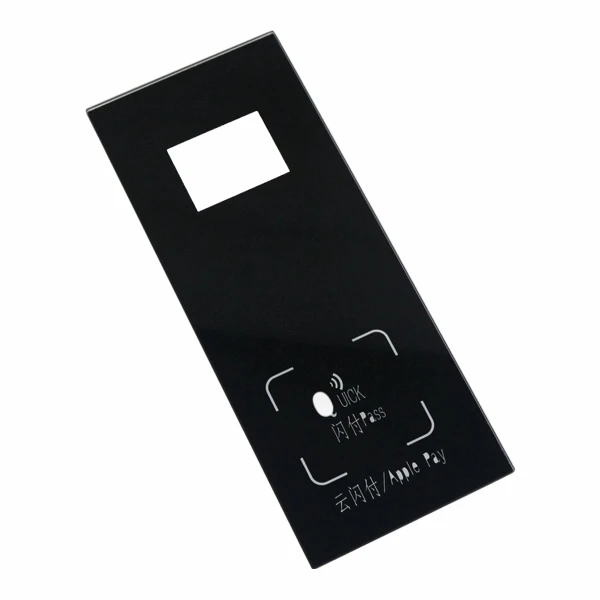
3. Alignment and Mounting
Once the glass is in place, it needs to be aligned accurately. This can be done using alignment tools or by referencing pre - marked guidelines on the mounting surface. For adhesive mounting, the adhesive should be applied evenly and according to the manufacturer's instructions. After applying the adhesive, the glass should be carefully placed on the surface and pressed down gently to ensure good contact. If using mechanical mounting, the brackets or frames need to be installed first, and then the glass can be inserted and secured.
4. Sealing and Finishing
After the glass is mounted, it may need to be sealed to prevent moisture, air, or dust from entering. Sealing materials such as silicone caulk can be used for this purpose. The caulk should be applied neatly around the edges of the glass. Finally, the installation area should be inspected for any signs of misalignment, damage, or improper sealing. Any issues should be addressed immediately to ensure the long - term performance of the AR coated glass.
Tips for Easy Installation
- Read the Instructions: Always read the installation instructions provided by the glass manufacturer. These instructions contain important information about handling, mounting, and sealing the glass.
- Use the Right Tools: Using the appropriate tools for the installation process can make a big difference. Tools such as a level, measuring tape, and a clean cloth for wiping the glass are essential.
- Seek Professional Help if Needed: If you're unsure about the installation process, especially for large or complex projects, it's advisable to seek the help of a professional installer. They have the experience and expertise to ensure a proper and safe installation.
Conclusion
In general, the ease of installing AR coated glass depends on several factors, including the size and shape of the glass, the application environment, and the mounting method. While smaller, standard - shaped glass pieces can be relatively easy to install with the right tools and knowledge, larger or custom - shaped glass may require professional assistance. As a supplier of AR coated glass, we are committed to providing our customers with high - quality products and the support they need for a successful installation.
If you're interested in purchasing AR coated glass for your project, I encourage you to reach out to us. Our team of experts can provide you with detailed information about our products, assist you in choosing the right type of glass for your needs, and offer guidance on the installation process. Whether you're working on a small consumer electronics project or a large - scale architectural application, we're here to help you make the most of AR coated glass.
References
- Industry standards for glass installation
- Manufacturer's guidelines for AR coated glass
- Personal experience and knowledge gained from years of supplying AR coated glass