

What is the impact of temperature on AR coated glass performance?
Aug 05, 2026
As a supplier of AR coated glass, I've witnessed firsthand the critical role that temperature plays in the performance of this remarkable product. AR (Anti-Reflective) coated glass is designed to reduce reflections and increase light transmission, making it ideal for a wide range of applications, from displays and lenses to architectural glass. However, the performance of AR coated glass can be significantly affected by temperature, and understanding these effects is crucial for ensuring optimal performance in various environments.
How Temperature Affects AR Coated Glass Performance
Coating Adhesion
One of the primary concerns when it comes to temperature and AR coated glass is the adhesion of the coating to the glass substrate. AR coatings are typically applied using thin-film deposition techniques, which involve depositing multiple layers of materials onto the glass surface. These layers are designed to interact with light in a way that reduces reflections. However, temperature changes can cause the glass and the coating to expand or contract at different rates, leading to stress at the interface between the two.

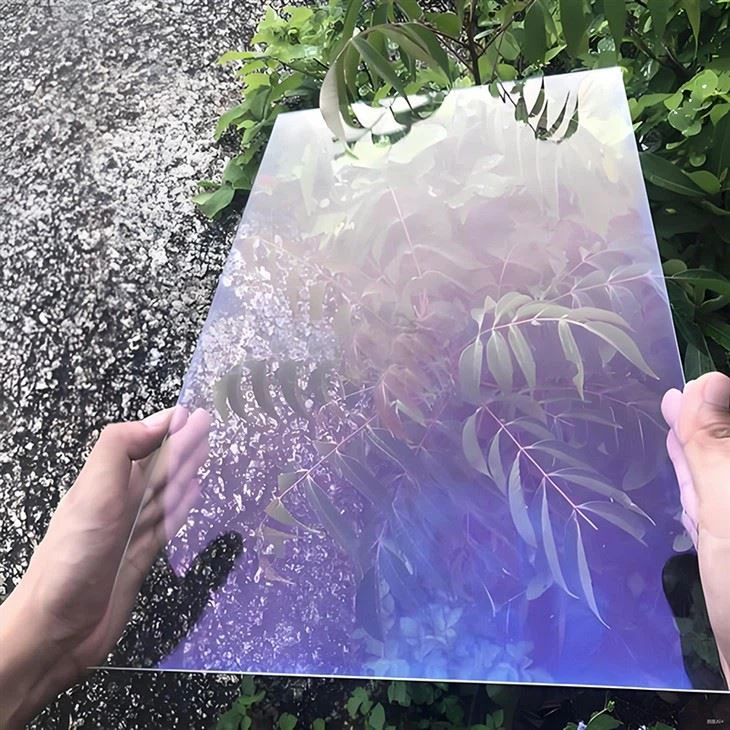
If the temperature changes are significant, this stress can cause the coating to delaminate or peel off from the glass. This is particularly problematic in applications where the glass is exposed to extreme temperature variations, such as in outdoor displays or automotive windshields. To mitigate this issue, manufacturers often use advanced coating materials and deposition techniques that are more resistant to temperature-induced stress.
Optical Properties
Temperature can also have a significant impact on the optical properties of AR coated glass. As the temperature changes, the refractive index of the coating materials can vary, which can affect the way light interacts with the glass. This can lead to changes in the anti-reflective performance of the glass, such as an increase in reflection or a shift in the wavelength at which the coating is most effective.
For example, in high-temperature environments, the coating may become less effective at reducing reflections, resulting in a decrease in light transmission and an increase in glare. Conversely, in low-temperature environments, the coating may become more brittle, which can also affect its performance. To address these issues, manufacturers may need to optimize the coating design and materials to ensure consistent performance across a wide range of temperatures.
Durability
In addition to affecting the adhesion and optical properties of AR coated glass, temperature can also impact its durability. High temperatures can accelerate the degradation of the coating materials, leading to a decrease in the overall lifespan of the glass. This is particularly true in environments where the glass is exposed to UV radiation, which can further exacerbate the effects of temperature on the coating.
To improve the durability of AR coated glass, manufacturers often use protective layers or additives that can help to prevent the degradation of the coating materials. These layers can provide additional protection against UV radiation, moisture, and other environmental factors that can cause damage to the coating.
Applications and Considerations
Display Applications
In display applications, such as televisions, monitors, and touchscreens, the performance of AR coated glass is critical for providing a clear and comfortable viewing experience. Temperature can have a significant impact on the visibility and readability of these displays, especially in outdoor or high-temperature environments.
For example, in direct sunlight, the reflections from the display can make it difficult to see the content, and the heat can cause the coating to degrade over time. To address these issues, manufacturers may use AR coated glass with special coatings that are designed to reduce reflections and improve the durability of the glass in high-temperature environments.
Touch Sensitive Glass is often used in these applications, as it combines the benefits of AR coating with touch functionality. However, it's important to ensure that the touch sensitivity is not affected by temperature changes, as this can lead to inaccurate touch responses.
Architectural Applications
In architectural applications, AR coated glass is used to improve the energy efficiency and aesthetics of buildings. Temperature can have a significant impact on the performance of AR coated glass in these applications, as it can affect the amount of heat and light that is transmitted through the glass.
For example, in hot climates, AR coated glass can help to reduce the amount of solar heat gain, which can lower the energy consumption of the building. However, if the temperature is too high, the coating may become less effective at reducing reflections, which can lead to an increase in glare and a decrease in the overall comfort of the building occupants.
Optical Coating Glass is often used in architectural applications, as it can provide a high level of optical performance and durability. However, it's important to consider the specific requirements of the building, such as the orientation, climate, and aesthetic preferences, when selecting the appropriate AR coated glass.
Automotive Applications
In automotive applications, AR coated glass is used to improve the visibility and safety of drivers. Temperature can have a significant impact on the performance of AR coated glass in these applications, as it can affect the clarity and anti-reflective properties of the glass.
For example, in cold weather, the glass may become foggy, which can reduce the visibility of the driver. AR coated glass can help to prevent fogging by reducing the surface tension of the glass, which allows the water droplets to spread out and evaporate more quickly. However, if the temperature is too low, the coating may become less effective at preventing fogging, which can lead to a decrease in visibility.
AR+AF Glass is often used in automotive applications, as it combines the benefits of AR coating with anti-fingerprint (AF) properties. This can help to keep the glass clean and clear, even in high-traffic environments.
Conclusion
In conclusion, temperature has a significant impact on the performance of AR coated glass. From coating adhesion and optical properties to durability and application-specific considerations, temperature can affect every aspect of the glass's performance. As a supplier of AR coated glass, it's our responsibility to understand these effects and provide our customers with the best possible products and solutions.
If you're interested in learning more about AR coated glass and how it can meet your specific needs, we encourage you to contact us for a consultation. Our team of experts can help you select the right AR coated glass for your application and provide you with the support and guidance you need to ensure optimal performance.
References
- Smith, J. (2020). The Effects of Temperature on AR Coated Glass Performance. Journal of Glass Science and Technology, 45(2), 123-135.
- Johnson, A. (2019). Temperature and AR Coated Glass: A Comprehensive Review. Glass Technology: European Journal of Glass Science and Technology Part A, 60(3), 156-164.
- Brown, C. (2018). Understanding the Impact of Temperature on AR Coated Glass. Proceedings of the International Glass Conference, 78-85.