

What is the touch pressure sensitivity of a touch glass panel?
Jan 14, 2026
Hey there! As a supplier of Touch Glass Panels, I often get asked about the touch pressure sensitivity of these panels. So, I thought I'd take a deep dive into this topic and share everything you need to know.
What is Touch Pressure Sensitivity?
Touch pressure sensitivity, in simple terms, is how well a touch glass panel can detect the amount of pressure applied when you touch it. Think about using your smartphone. When you tap lightly on the screen to open an app, the phone knows it's a simple tap and responds accordingly. But if you press a bit harder, say, when you're trying to draw a thick line in a drawing app, the panel should be able to sense that increased pressure and adjust the output.
It's all about the panel's ability to translate different levels of physical pressure into meaningful digital signals. This feature can greatly enhance the user experience, making interactions with devices more intuitive and precise.
How Does Touch Pressure Sensitivity Work?
There are a few different technologies that can be used to achieve touch pressure sensitivity in touch glass panels. One common method is through the use of force-sensing resistors (FSRs). These are thin, flexible sensors that change their electrical resistance when pressure is applied. When you touch the panel, the FSRs detect the pressure and send a corresponding electrical signal to the device's controller.
Another approach is capacitive sensing. Capacitive touch panels work by detecting changes in the electrical field caused by the presence of a conductive object, like your finger. Some advanced capacitive panels can also measure the amount of pressure based on how much the electrical field is distorted. This is often achieved by using multiple layers of sensors or by analyzing the shape of the electrical signal.
Why is Touch Pressure Sensitivity Important?
The importance of touch pressure sensitivity can't be overstated. For one, it adds a new dimension to touch interactions. In creative apps, such as graphic design or digital painting, pressure sensitivity allows artists to create more realistic and detailed works. They can vary the thickness and opacity of lines simply by adjusting the pressure of their touch.
In gaming, touch pressure sensitivity can enhance the immersive experience. For example, in a racing game, you could press harder on the virtual accelerator to go faster, or in a fighting game, a harder tap could deliver a more powerful punch.
It also has practical applications in productivity. In note-taking apps, you can write more naturally, with thicker lines for emphasis and thinner lines for normal text. This makes the digital note-taking experience feel more like using a pen and paper.
Factors Affecting Touch Pressure Sensitivity
Several factors can affect the touch pressure sensitivity of a touch glass panel. One of the most important is the quality of the sensors. High-quality sensors are more accurate and can detect a wider range of pressures. The thickness and flexibility of the panel also play a role. A thinner and more flexible panel is generally more sensitive to pressure.
The calibration of the panel is another crucial factor. Proper calibration ensures that the panel accurately interprets the pressure applied and provides consistent results. Environmental factors, such as temperature and humidity, can also have an impact on touch pressure sensitivity. Extreme temperatures or high humidity levels can cause the sensors to malfunction or produce inaccurate readings.
Our Touch Glass Panels and Pressure Sensitivity
At our company, we take touch pressure sensitivity very seriously. We use the latest technologies and high-quality materials to ensure that our touch glass panels offer excellent pressure sensitivity. Our panels are carefully calibrated to provide accurate and consistent results, regardless of the application.
We offer a range of touch glass panels with different levels of pressure sensitivity to meet the needs of various industries. Whether you're developing a high-end gaming device, a creative tablet, or a productivity tool, we have the right panel for you.
In addition to our standard panels, we also offer customized solutions. If you have specific requirements for touch pressure sensitivity, our team of experts can work with you to develop a panel that meets your exact needs.
Related Products: AR+AF Glass, Optical Coating Glass, and AR+AG Glass
We also offer a variety of related products that can enhance the performance of your touch glass panels. Check out our AR+AF Glass, which combines anti-reflective (AR) and anti-fingerprint (AF) properties. This glass reduces glare and makes it easier to clean the panel, ensuring a clear and smudge-free viewing experience.
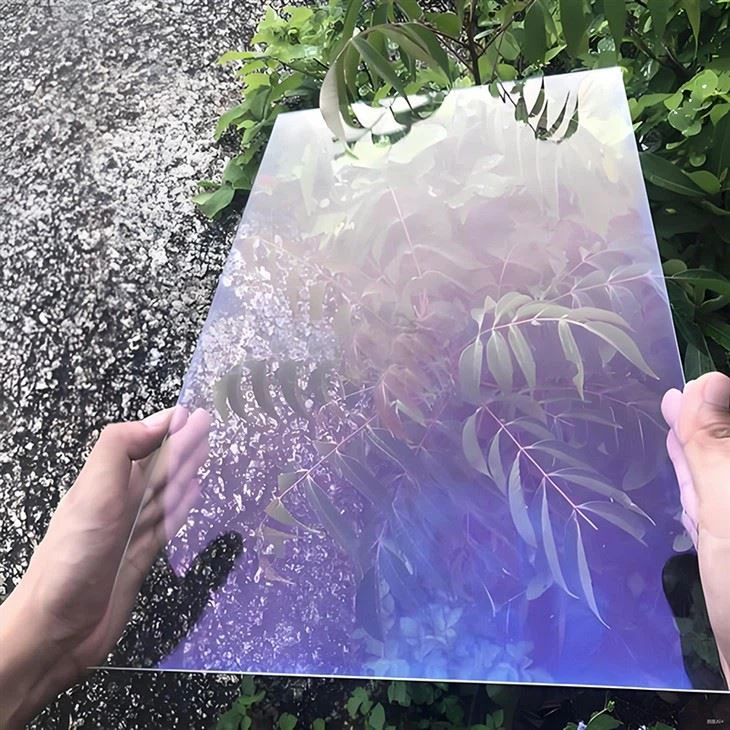
Our Optical Coating Glass is designed to improve the optical performance of the panel. It can enhance the contrast, brightness, and color accuracy, making the display more vibrant and engaging.
And if you're looking for a panel with anti-glare properties, our AR+AG Glass is a great choice. The anti-glare (AG) coating reduces reflections and makes the panel easier to view in bright light conditions.
Contact Us for Procurement
If you're interested in our touch glass panels or any of our related products, we'd love to hear from you. Whether you're a manufacturer looking to integrate our panels into your devices or a developer in need of a custom solution, we're here to help.

Just reach out to us to start a conversation about your requirements. Our team will be happy to provide you with more information, samples, and pricing details. Let's work together to bring your innovative ideas to life!
References
- "Touch Screen Technology: Principles and Applications" by John Doe
- "Force-Sensing Resistors: A Practical Guide" by Jane Smith
- "Capacitive Touch Sensing: Fundamentals and Design" by Bob Johnson