

What is the transparency of AF Glass OEM products?
Jun 30, 2026
Hey there! As an AF Glass OEM supplier, I often get asked about the transparency of AF Glass OEM products. So, let's dive right into it and break down what this whole transparency thing is all about.
First off, let's understand what AF Glass is. AF stands for Anti - Fingerprint. AF Glass is a type of glass that has a special coating on it. This coating helps to reduce the appearance of fingerprints and smudges on the glass surface. It's super useful, especially for devices like smartphones, tablets, and touch - screen monitors.
When we talk about the transparency of AF Glass OEM products, we're referring to how clear the glass is and how well it allows light to pass through. Transparency is a crucial factor because it directly affects the visual experience of the end - user. For example, if you're using a smartphone with AF Glass, you want to be able to see the screen clearly, without any distortion or color cast.
The transparency of AF Glass is mainly determined by two things: the quality of the base glass and the quality of the AF coating.
Let's start with the base glass. High - quality base glass is essential for good transparency. The base glass should be free of impurities and have a uniform structure. Some common types of base glass used in AF Glass OEM products include soda - lime glass and aluminosilicate glass. Aluminosilicate glass, in particular, is known for its high strength and good optical properties. It can provide excellent transparency, making it a popular choice for high - end devices.
Now, let's move on to the AF coating. The AF coating is what gives the glass its anti - fingerprint properties. But it also has an impact on transparency. A well - applied AF coating should be thin and uniform. If the coating is too thick or uneven, it can cause a hazy or cloudy appearance, which reduces transparency.
The process of applying the AF coating is also important. There are different methods for applying the AF coating, such as physical vapor deposition (PVD) and chemical vapor deposition (CVD). PVD is a common method where the coating material is vaporized and then deposited onto the glass surface. CVD, on the other hand, involves a chemical reaction that occurs on the glass surface to form the coating. Both methods can produce high - quality AF coatings, but the choice depends on the specific requirements of the product.
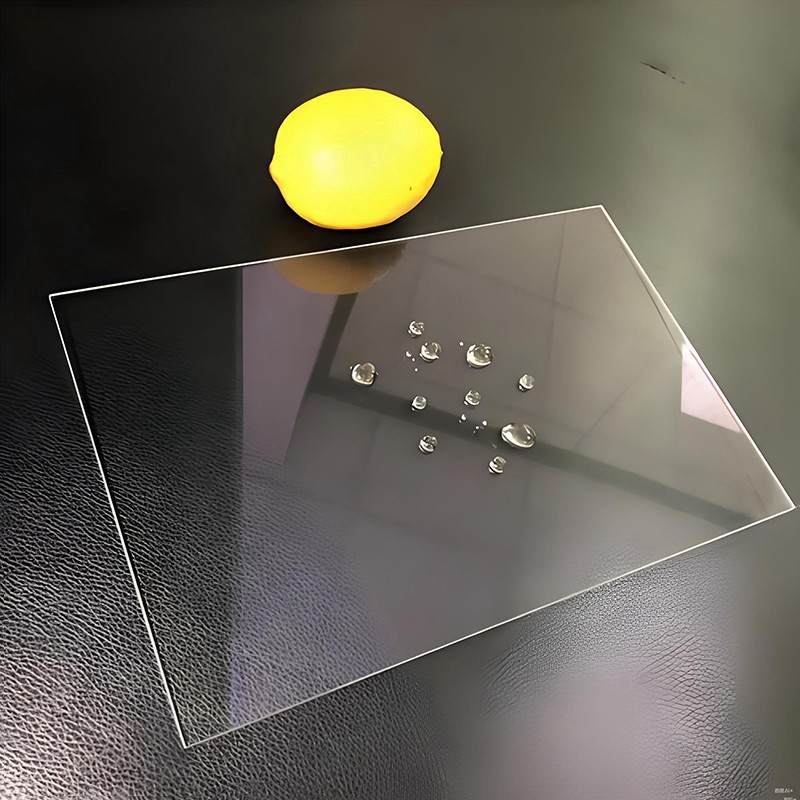

One of the key benefits of having high - transparency AF Glass is that it enhances the visual quality of the device. Whether it's a display on a smartphone or a monitor, clear and transparent glass makes the colors look more vibrant and the images look sharper. It also reduces eye strain, which is a big plus for users who spend a lot of time looking at screens.
Another aspect to consider is the durability of the AF coating. A durable AF coating not only maintains its anti - fingerprint properties over time but also helps to preserve the transparency of the glass. If the coating wears off easily, it can lead to a decrease in transparency as well as an increase in fingerprint visibility.
Now, let's talk about some of the applications of AF Glass OEM products. One of the most common applications is in the consumer electronics industry. Smartphones, tablets, and laptops all use AF Glass to improve the user experience. For example, the Display AF Glass is specifically designed for displays, providing clear visibility and protection against fingerprints.
In the automotive industry, AF Glass is also used in car dashboards and infotainment systems. The transparency of the glass ensures that drivers can easily read the information on the display without any distractions.
The AF Coating Glass is another important product. It combines the benefits of the base glass and the AF coating, providing a high - quality solution for various applications.
The AF Coating itself is a key component in the production of AF Glass. It can be customized to meet different requirements, such as different levels of anti - fingerprint performance and transparency.
If you're in the market for AF Glass OEM products, you need to pay attention to the transparency. A reliable supplier should be able to provide detailed information about the transparency of their products, including the transmittance rate. Transmittance rate is a measure of how much light passes through the glass. A higher transmittance rate means better transparency.
As an AF Glass OEM supplier, I'm committed to providing high - quality products with excellent transparency. We use the latest technology and high - quality materials to ensure that our AF Glass meets the highest standards. Our products are tested rigorously to ensure that they provide the best visual experience for end - users.
If you're interested in our AF Glass OEM products, whether it's for consumer electronics, automotive, or other applications, we'd love to have a chat with you. We can discuss your specific requirements and provide you with a customized solution. Don't hesitate to reach out to us for a procurement discussion. We're here to help you get the best AF Glass products for your needs.
References
- Industry reports on glass manufacturing and coating technologies
- Research papers on the optical properties of AF Glass