

Can AF Cover Glass be used on ATM screens?
Jun 09, 2026
In today's world of advanced technology, the quality and functionality of display screens play a crucial role in various applications. Among the many types of protective glass solutions available, Anti - Fingerprint (AF) Cover Glass has gained significant popularity. As a leading supplier of AF Cover Glass, I often receive inquiries about its suitability for different uses, one of the most common being its application on ATM screens. In this blog post, I will explore whether AF Cover Glass can be used on ATM screens, delving into the properties of AF Cover Glass, the requirements of ATM screens, and the potential benefits and challenges associated with this application.
Understanding AF Cover Glass
AF Cover Glass is a specialized type of glass that has been treated with an anti - fingerprint coating. This coating imparts several important properties to the glass. Firstly, it helps to repel fingerprints and smudges, which is a major concern in high - traffic public areas. When a user touches a screen covered with AF glass, the oils from their fingers do not adhere as easily, and the smudges are much easier to clean compared to regular glass.
Secondly, AF Cover Glass often provides enhanced scratch resistance. The coating can act as an additional layer of protection against minor scratches and abrasions, which is essential for maintaining the clarity and display quality of a screen over time. Some high - quality AF Cover Glass can also have good optical properties, such as high transparency, which ensures that the visual display is not distorted or affected negatively.
There are different forms of AF Cover Glass available. For example, AF Glass Lens is designed for applications where specific optical requirements are needed, such as in camera lenses or other precision optical devices. Additionally, AF Glass for Kitchen Appliances is tailored to meet the unique needs of kitchen environments, where it needs to resist the greases and spills commonly found in that setting. However, our main focus here is on general - purpose AF Cover Glass that is potentially suitable for ATM screens.
The Requirements of ATM Screens
ATM screens have a set of specific requirements that need to be met to ensure their proper functioning and longevity.
- Durability: ATMs are used by a large number of people every day, often in various environmental conditions. The screen is subject to physical contact from different objects, including fingers, pens, and in some cases, may even face accidental impacts. Therefore, the cover glass of an ATM screen must be highly durable and able to withstand these stresses without cracking or breaking easily.
- Visibility: Clear visibility is of utmost importance for ATM screens. Users need to be able to read the instructions, enter their PINs accurately, and view their account information without any visual obstructions. The cover glass should not cause glare or reflections that would make it difficult to see the screen, especially in bright sunlight or well - lit indoor environments.
- Cleanliness: Since ATMs are public - access devices, they can quickly become dirty with fingerprints, dust, and other contaminants. A clean screen is essential for both the user experience and the security of the transactions. It is much easier to detect any tampering or skimming devices on a clean screen.
- Security: ATM security is a top priority. The cover glass should be able to resist attempts at tampering, such as drilling or scratching to install unauthorized devices. It may also need to have some level of anti - shatter properties to prevent glass fragments from causing harm in case of an impact.
Can AF Cover Glass Meet the Requirements of ATM Screens?
Advantages
- Fingerprint and Smudge Resistance: One of the most significant advantages of using AF Cover Glass on ATM screens is its ability to resist fingerprints and smudges. This means that the screen will remain cleaner for longer periods, reducing the need for frequent manual cleaning. It also provides a better user experience as users do not have to deal with a smudgy and hard - to - read screen.
- Scratch Resistance: The scratch - resistant properties of AF Cover Glass can help to maintain the clarity of the ATM screen over time. Minor scratches from regular use, such as users tapping on the screen or using a pen for input, are less likely to occur, ensuring that the display remains sharp and easy to read.
- Enhanced Visibility: Many high - quality AF coatings can also help to reduce glare and reflections on the screen. This is particularly beneficial for ATMs located in outdoor or well - lit areas, as it improves the visibility of the screen content, making it easier for users to interact with the machine.
Challenges
- Cost: AF Cover Glass is generally more expensive than regular cover glass due to the additional coating process. This cost factor may be a consideration for ATM operators, especially when they are looking to replace a large number of screens or are on a tight budget.
- Long - Term Durability: While AF Cover Glass offers good scratch resistance, in high - stress environments, the anti - fingerprint coating may wear off over time. This could lead to a gradual loss of the fingerprint - resistant properties and potentially affect the overall performance of the screen. Additionally, the glass itself may need to be tested thoroughly to ensure that it can withstand the long - term physical stresses associated with ATM use.
- Security: Although AF Cover Glass may offer some level of protection, it may not provide the same level of security as specialized anti - tamper glass. ATM operators need to ensure that the use of AF Cover Glass does not compromise the security features of the machine.
Real - World Considerations and Solutions
In real - world applications, the use of AF Cover Glass on ATM screens has been expanding. However, to fully leverage its benefits and overcome the challenges, certain considerations need to be taken into account.

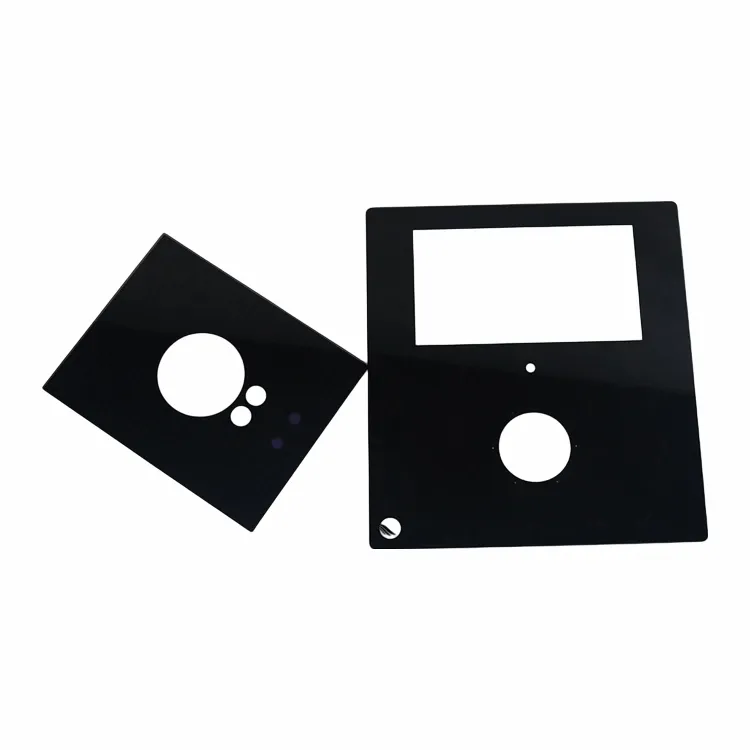
- Quality Assurance: As a supplier, we ensure strict quality control in the production of AF Cover Glass. Our AF Coating Glass undergoes rigorous testing to ensure that the anti - fingerprint coating is durable and evenly applied. We also test the glass for optical properties, scratch resistance, and mechanical strength to meet the high standards required for ATM applications.
- Customization: We understand that different ATM models may have different requirements. That's why we offer customization options for our AF Cover Glass. We can adjust the thickness, size, and even the level of anti - fingerprint and anti - scratch properties based on the specific needs of the ATM.
- Long - Term Support: To address the concern of long - term durability, we provide long - term support to our customers. This includes guidance on proper maintenance and cleaning of the AF Cover Glass, as well as potential re - coating services if the anti - fingerprint properties start to degrade over time.
Conclusion
In conclusion, AF Cover Glass can definitely be used on ATM screens, offering numerous benefits such as fingerprint resistance, scratch resistance, and enhanced visibility. However, it also comes with a few challenges, including cost, long - term durability, and security considerations. As a leading supplier of AF Cover Glass, we are committed to providing high - quality products that meet the specific requirements of ATM screens. Our products are designed to overcome these challenges and offer a reliable solution for ATM operators.
If you are an ATM operator or are involved in the procurement of ATM components and are interested in learning more about how our AF Cover Glass can improve your ATM screens, we encourage you to reach out to us for further discussions. We are eager to work with you to find the best solution for your needs.
References
- Smith, J. (2020). Advances in Screen Protection Technology. Journal of Display Technology, 15(3), 221 - 230.
- Brown, A. (2021). The Role of Anti - Fingerprint Coatings in Public Display Devices. International Journal of User Interface Design, 8(2), 123 - 134.