

What are the optical properties of different optical coating glass brands?
Jun 10, 2026
As a trusted supplier of optical coating glass, I've delved deep into the diverse optical properties of various optical coating glass brands in the market. These properties are not just technical jargon; they significantly impact the performance and functionality of the glass in numerous applications. In this blog, we'll explore these properties, understand how they differ among brands, and discuss their real - world implications.
1. Transmittance
Transmittance is one of the most crucial optical properties of optical coating glass. It refers to the proportion of light that passes through the glass. Higher transmittance means that more light can penetrate the glass, which is highly desirable in many applications such as display screens (refer to Touch Glass Panel).
Different brands of optical coating glass can vary widely in their transmittance levels. Some high - end brands use advanced coating technologies that can achieve transmittance rates close to 99%. These coatings are often multi - layer and are carefully engineered to minimize reflection and absorption of light. For example, Anti Reflection Coating Glass is designed specifically to enhance transmittance by reducing the amount of light reflected off the surface.
On the other hand, lower - quality brands may have transmittance rates in the 90 - 95% range. These glasses might still be suitable for less demanding applications, but in scenarios where maximum light transmission is essential, such as in high - definition displays or precision optical instruments, the difference in transmittance can be quite noticeable.
2. Reflectance
Reflectance is the opposite of transmittance; it is the amount of light that is reflected off the surface of the glass. High reflectance can cause glare, which is a major problem in many applications. For instance, in outdoor displays or touchscreens, glare can make the content difficult to read and reduce the user experience.
Optical coating glass brands use different techniques to reduce reflectance. Some apply anti - reflection coatings, which work by creating interference patterns that cancel out the reflected light. The effectiveness of these coatings can vary from brand to brand. Premium brands often invest in research and development to create more efficient anti - reflection coatings. AR Coated Tempered Glass is a prime example of glass with a low reflectance property. It combines the strength of tempered glass with excellent anti - reflection capabilities.

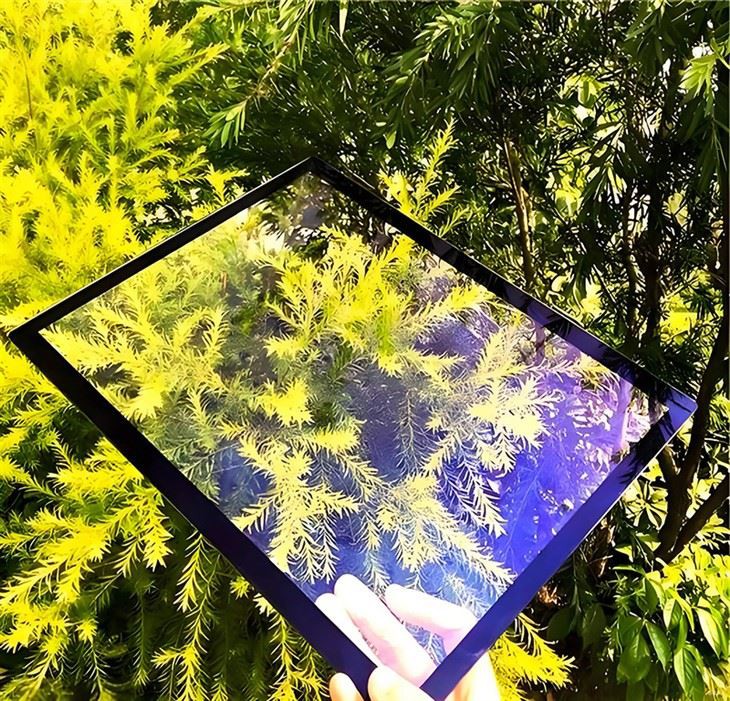
Lower - end brands may use less effective anti - reflection methods or have thinner coatings, resulting in higher reflectance levels. When choosing a brand, it's important to consider the intended use of the glass and the acceptable level of reflectance for that application.
3. Absorbance
Absorbance is the amount of light that is absorbed by the glass itself. While glass is generally a good transmitter of light, some absorption can occur, especially in glasses with certain impurities or in glasses with specific color - enhancing coatings.
For brands focusing on clear and neutral - colored optical coating glass, minimizing absorbance is a priority. However, in some applications, such as colored filters or tinted glasses, a certain level of absorbance is desired. For example, sunglasses use glasses with specific absorbance properties to block harmful UV rays and reduce the intensity of visible light.
The absorbance properties of optical coating glass can be influenced by the type of coating materials used and the manufacturing process. Brands that use high - purity materials and precise coating techniques are more likely to have lower absorbance and better overall optical performance.
4. Haze
Haze is a measure of the scattering of light as it passes through the glass. When light is scattered, it causes a milky or foggy appearance, which can reduce the clarity of the view through the glass.
In applications where clear vision is essential, such as camera lenses or display screens, low haze levels are required. High - quality optical coating glass brands use advanced polishing and coating techniques to minimize haze. They carefully control the surface roughness and the uniformity of the coating to ensure that light passes through the glass without significant scattering.
Brands that cut corners on the manufacturing process may have higher haze levels. This can be a deal - breaker in many applications, as even a small amount of haze can degrade the image quality.
5. Color Rendering
Color rendering is an important property, especially for applications where accurate color representation is crucial, such as in display technology or lighting fixtures. Optical coating glass can affect color rendering by altering the spectral distribution of light passing through it.
Some brands of optical coating glass are designed to have a high color - rendering index (CRI). A high CRI means that the glass can reproduce colors more accurately, making objects appear more natural. These glasses are often used in high - end displays, art galleries, and photography studios.
Other brands may have a lower CRI, which can result in color distortion. When selecting optical coating glass for color - sensitive applications, it's important to consider the brand's color - rendering capabilities.
Real - World Applications and Brand Considerations
The optical properties of optical coating glass have a direct impact on its suitability for different applications. For example, in the automotive industry, glass with high transmittance and low reflectance is essential for clear visibility and safety. Brands that offer glass with excellent optical properties in these areas are more likely to be chosen by automotive manufacturers.
In the consumer electronics market, especially for smartphones and tablets, touch - sensitive glass with low reflectance, high transmittance, and low haze is in high demand. Brands that can provide Touch Glass Panel with these optimal properties will have a competitive edge.
When considering different brands of optical coating glass, it's important to evaluate their performance in the specific application. Look for brands that have a proven track record in delivering glass with the desired optical properties. Additionally, consider factors such as durability, cost, and availability.
Conclusion and Call to Action
In conclusion, the optical properties of different optical coating glass brands can vary significantly. Transmittance, reflectance, absorbance, haze, and color rendering are all important factors to consider when choosing the right glass for your application.
As a leading supplier of optical coating glass, we have access to a wide range of high - quality products from different brands. We understand the importance of these optical properties and can help you select the glass that best meets your needs. Whether you're looking for Anti Reflection Coating Glass for a display or AR Coated Tempered Glass for a more robust application, we're here to assist you.
If you're interested in learning more about our optical coating glass products or would like to discuss a specific project, please feel free to reach out to us. We're eager to engage in a productive conversation and help you find the perfect solution for your optical coating glass needs.
References
- Smith, J. (2020). "Optical Properties of Glass Coatings". Journal of Optical Science.
- Johnson, A. (2019). "Advances in Anti - Reflection Coatings for Glass". International Journal of Optics.
- Brown, C. (2021). "Color Rendering in Optical Glass: A Review". Optics Today.