

Can AG Cover Glass be recycled?
Jan 22, 2026
As a supplier of AG Cover Glass, I often receive inquiries about the recyclability of our products. This topic is not only relevant to environmental concerns but also to the long - term sustainability of our industry. In this blog, I'll delve into the question: Can AG Cover Glass be recycled?
Understanding AG Cover Glass
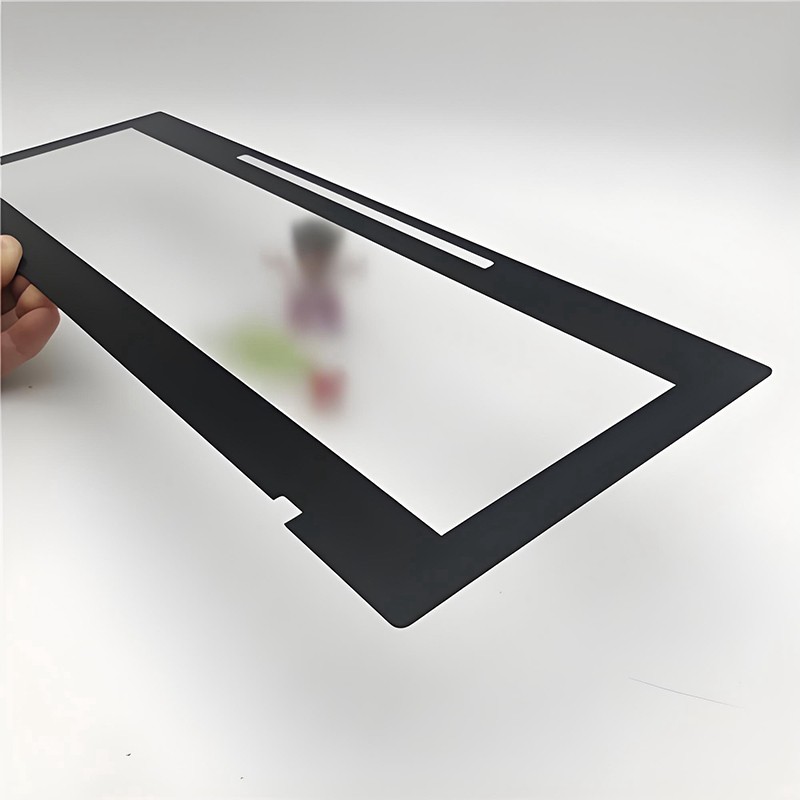
Before discussing recyclability, it's essential to understand what AG Cover Glass is. AG, or Anti - Glare, Cover Glass is a specialized type of glass that has been treated to reduce glare. This is achieved through an anti - glare coating or by physically texturing the glass surface. The Anti Glare Coating On Glass process involves applying a thin layer of material that scatters light, preventing it from reflecting directly into the viewer's eyes. This makes the glass ideal for applications such as Display Anti Glare and Monitor Anti Glare Glass, where clear visibility is crucial.
The base material of AG Cover Glass is typically soda - lime glass, which is one of the most common types of glass used in the industry. Soda - lime glass is composed mainly of silica (sand), soda ash, and limestone. It is known for its relatively low melting point and good chemical stability, which makes it suitable for mass production.
The Recycling Process of Regular Glass
To understand the recyclability of AG Cover Glass, we first need to look at how regular glass is recycled. The recycling process of glass generally consists of several steps. First, the collected glass is sorted by color. This is important because different colors of glass have different chemical compositions, and mixing them can affect the quality of the recycled glass. After sorting, the glass is crushed into small pieces called cullet. The cullet is then washed to remove any impurities such as labels, dirt, and other debris.
Next, the cleaned cullet is melted in a furnace at high temperatures. The melting point of soda - lime glass is around 1400 - 1600°C. Once melted, the glass can be reshaped into new products. Recycling glass has many environmental benefits. It reduces the need for raw materials, such as sand, soda ash, and limestone, which helps conserve natural resources. It also consumes less energy compared to producing new glass from scratch, as melting cullet requires less heat than melting raw materials.
Challenges in Recycling AG Cover Glass
While the base material of AG Cover Glass is recyclable, the anti - glare treatment presents some challenges. The anti - glare coating on the glass can contain various chemicals and materials that may not be compatible with the standard glass recycling process. For example, some anti - glare coatings may contain metals or other additives that can contaminate the recycled glass. If these contaminants are not removed properly, they can affect the quality and properties of the recycled glass, making it unsuitable for certain applications.
Another challenge is the physical texturing of the glass. Textured AG Cover Glass has a different surface structure compared to regular glass. During the recycling process, the texture can cause problems in the melting and reshaping steps. The irregular surface may prevent the glass from melting evenly, leading to inconsistent quality in the recycled product.
Current Solutions and Research
Despite these challenges, there are ongoing efforts to find solutions for recycling AG Cover Glass. Some recycling facilities are exploring methods to remove the anti - glare coating before recycling the glass. This can involve chemical stripping or mechanical methods. Chemical stripping uses solvents or acids to dissolve the coating, while mechanical methods use abrasives or high - pressure water jets to remove it.
In addition, researchers are working on developing new anti - glare coatings that are more environmentally friendly and easier to recycle. These new coatings are designed to be either biodegradable or easily separable from the glass during the recycling process. Some companies are also exploring the possibility of using the recycled AG Cover Glass in less - critical applications, where the presence of some contaminants or minor quality variations is acceptable.
The Future of AG Cover Glass Recycling
The future of AG Cover Glass recycling looks promising. As environmental regulations become more stringent and the demand for sustainable products increases, the industry is likely to invest more in research and development to improve the recyclability of AG Cover Glass. We can expect to see more advanced recycling technologies and processes that can effectively handle the anti - glare treatment.
Moreover, as consumers become more environmentally conscious, there will be a greater demand for products that are made from recycled materials. This will drive the market for recycled AG Cover Glass and encourage more companies to adopt sustainable practices.

Our Role as a Supplier
As a supplier of AG Cover Glass, we are committed to promoting sustainability in our industry. We are actively involved in research and development to improve the recyclability of our products. We are also working with recycling facilities to develop better recycling methods for AG Cover Glass.
We believe that by working together with our customers and partners, we can find innovative solutions to the challenges of AG Cover Glass recycling. We encourage our customers to consider the environmental impact of their purchases and to choose products that are more sustainable.
Contact Us for Sustainable AG Cover Glass
If you are interested in purchasing high - quality AG Cover Glass while also contributing to environmental sustainability, we invite you to contact us. We offer a wide range of AG Cover Glass products that are suitable for various applications, including Display Anti Glare and Monitor Anti Glare Glass. Our team of experts can provide you with detailed information about our products and our commitment to sustainability. Let's work together to create a more sustainable future for the glass industry.
References
- "Glass Recycling: Principles and Practice" by John A. Duley
- Research papers on anti - glare coating technologies and glass recycling from industry - related journals.