

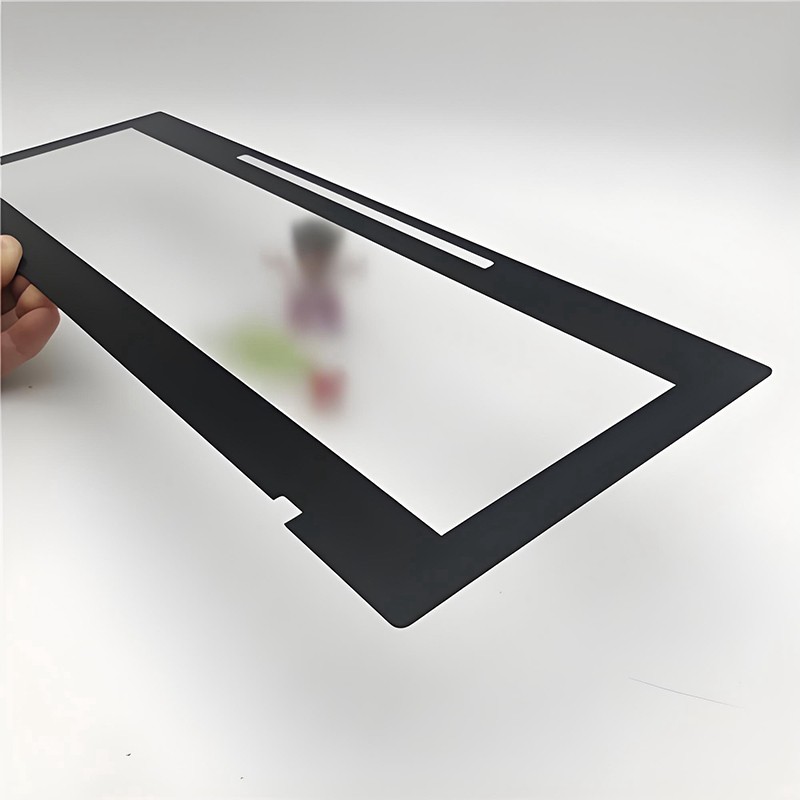


Display Anti Glare
You know that moment when you're trying to read an important document or check critical data on a display, but all you can see are reflections of lights and windows? Or when fingerprints make your beautiful display look messy and unprofessional? We've been experienced before, and that's exactly why we've perfected our display anti-glare technology.
- Fast Delievery
- Quality Assurance
- 24/7 Customer Service
Product Introduction
Say Goodbye to Annoying Screen Glare For Good

You know that moment when you're trying to read an important document or check critical data on a display, but all you can see are reflections of lights and windows? Or when fingerprints make your beautiful display look messy and unprofessional? We've been experienced before, and that's exactly why we've perfected our display anti-glare technology.
Let's be honest - most displays work fine in ideal conditions, but real-world environments are anything but ideal. Whether it's sunlight streaming through windows, bright overhead lights in a hospital, or the general hustle and bustle of a retail store, glare can make even the most advanced display practically useless. That's the problem we've solved.
AG Parameters

Here's how we make displays actually usable
We start with high-quality glass that's built to last. But instead of leaving it shiny and reflective, we use a special chemical etching process that creates microscopic patterns on the surface. These tiny patterns scatter incoming light, breaking up reflections before they can interfere with what you're trying to see. The best part? This isn't some flimsy coating that will wear off over time - it's a permanent transformation of the glass itself.
What does this mean for you? You get all the benefits of premium glass - the clarity, the durability, the smooth feel - but without the mirror-like reflections that plague ordinary displays.
Where This Actually Makes a Difference
If you work with displays in any of these environments, you'll appreciate what our anti-glare technology can do:
Imagine medical monitors that doctors can actually read during surgery, without moving around to find the right angle. Think about industrial control panels that remain clearly visible under bright factory lights. Consider outdoor digital signage that stays readable even in direct sunlight. Or retail POS systems that don't become mirrors showing ceiling reflections instead of transaction details.
What It's Really Like to Use These Displays
The first thing people notice is how much easier it is to see the content. Text appears crisp and clear, colors look more true-to-life, and you're not constantly squinting or moving your head to avoid reflections. It's like someone turned down the lights on everything except the display itself.
Then there's the practical benefits. The matte surface does an amazing job of hiding fingerprints and smudges between cleanings. When you do need to clean it, a simple microfiber cloth with some isopropyl alcohol does the trick beautifully. The surface feels smooth and professional to the touch, and it's actually easier to keep clean than traditional glossy displays.
We Understand That Every Project is Different
That's why we don't just offer off-the-shelf solutions. Need a specific size or shape? Special cutouts for sensors or cameras? Different levels of anti-glare effectiveness for various lighting conditions? We can handle that. Just tell us what you're working on, and we'll help create the perfect solution for your needs.
Quality is something we take seriously. Every piece of glass we ship undergoes multiple checks - we test for optical clarity, durability, and of course, how well it actually reduces glare. We want to make sure that what you receive will perform exactly as promised in your specific application.
When you place an order with us, your displays are packaged with care and attention. We use proper protective materials and work with reliable shipping partners to ensure everything arrives in perfect condition. We've shipped displays to some challenging locations, so we know how to handle logistics properly.
What really sets us apart though is the people behind the products. When you call with questions, you'll speak with real humans who understand your industry and care about making your project successful. We're not just here to take orders - we're here to help solve problems.
Why Not See the Difference for Yourself?
The best way to understand how much better your displays could be is to see our anti-glare technology in person. We're happy to provide samples so you can test them in your actual working environment. Because once you experience displays that just work - regardless of the lighting conditions - you'll wonder how you ever managed without them.
FAQ
Q: What is the difference between anti-glare and anti-reflective glass?
A: This is the most common point of confusion. Anti-glare glass works by creating a microscopic textured surface through chemical etching. This roughness scatters reflected light in multiple directions, turning a sharp, mirror-like glare into a softer, diffuse reflection that is less distracting to the viewer.
Anti-reflective glass, on the other hand, uses a thin-film coating applied to a smooth surface. This coating cancels out reflected light waves through optical interference. While anti-glare simply spreads light out, anti-reflective actually reduces the total amount of light reflected from over 8 percent to less than 0.5 percent. If you want to eliminate reflections entirely while maintaining maximum image clarity, anti-reflective is the superior choice, though it comes at a higher cost.
Q: Does anti-glare glass affect display image quality?
A: Yes, and this is the biggest trade-off.
The same surface texture that diffuses reflected light also diffuses the light coming from your display. This results in what users often describe as a softer image with reduced sharpness compared to a glossy screen.
You may also notice a slight loss of color saturation and contrast, particularly in dim lighting conditions. Some anti-glare displays exhibit a subtle sparkling or shimmering effect, especially when showing white or light-colored content. However, higher-end anti-glare screens use finer surface textures to minimize these visual compromises. For tasks like photo editing where color accuracy is critical, glossy or anti-reflective screens are generally preferred.
Q: How do I clean anti-glare glass without damaging it?
A: Cleaning anti-glare glass requires more care than standard glass because the textured surface can trap dust and is sensitive to harsh chemicals. Start by gently brushing off loose dust with a dry, soft microfiber cloth. Never wipe a dry screen, as dust particles can scratch the surface.
For deeper cleaning, use distilled water or a neutral cleaner specifically designed for glass screens. Spray the cleaner onto the microfiber cloth first, never directly onto the screen, then wipe gently in a single direction rather than back-and-forth. Avoid any cleaning agents containing alcohol, ammonia, or vinegar, as these can degrade the anti-glare coating over time. For displays used in clean indoor environments, cleaning once a month is usually sufficient.
Q: Is anti-glare glass worth the extra cost?
A: It depends entirely on your usage environment. If you frequently use your device in bright conditions, near windows, or outdoors, anti-glare glass is absolutely worth the investment. It dramatically reduces eye strain by eliminating distracting reflections and makes the screen readable in lighting conditions where a glossy screen would become a mirror.
On the other hand, if you primarily work in a dim, controlled environment and prioritize maximum color vibrancy and image sharpness, you may prefer a glossy screen. Anti-glare treatments typically add 30 to 50 percent to the cost of standard glass, and devices featuring this technology are generally positioned in the mid-to-high price range. For many users, the reduction in eye fatigue alone justifies the premium.
Q: Why do digital artists prefer anti-glare screens?
A: Anti-glare glass has become a favorite among digital artists and designers for two main reasons: reduced eye strain and a paper-like drawing feel.
Spending hours staring at a reflective screen causes significant eye fatigue. Anti-glare glass minimizes this by eliminating harsh reflections from studio lighting or overhead fixtures. Additionally, the slightly textured surface of anti-glare glass provides a subtle resistance that feels much closer to drawing on paper compared to the slick, smooth surface of glossy glass. This tactile feedback improves precision and control for pen input. Many pen displays from brands like Huion and Wacom use anti-glare glass specifically to replicate the natural friction of a pencil on paper, making it the preferred choice for illustration and photo retouching work.
Hot Tags: display anti glare, China display anti glare manufacturers, suppliers, factory, AG Etched Glass, 1mm ag glass, glass with cover, Thin Anti Glare Glass, AG Glass for Monitor, Tempered Glass Anti Glare Screen Protector


