

What is the anti - glare coating thickness of AG Cover Glass?
Jul 09, 2026
As a supplier of AG Cover Glass, I often get asked about the anti - glare coating thickness of AG Cover Glass. It's a crucial factor that can significantly impact the performance and functionality of the glass. In this blog, I'll break down what the anti - glare coating thickness means, why it matters, and how it relates to the overall quality of AG Cover Glass.
What is Anti - Glare Coating Thickness?
The anti - glare coating thickness refers to the physical thickness of the layer of anti - glare material applied to the surface of the cover glass. This coating is designed to reduce reflections and glare, making it easier to view the display behind the glass, especially in bright environments.
The thickness of the anti - glare coating can vary depending on the manufacturing process and the specific requirements of the application. Generally, it ranges from a few nanometers to several micrometers. A thinner coating might be used for applications where a very smooth surface is required, while a thicker coating could be applied for more extreme anti - glare needs.
Why Does Coating Thickness Matter?
1. Anti - Glare Performance
The thickness of the anti - glare coating directly affects its ability to reduce glare. A thicker coating can scatter more light, which means it can be more effective at reducing reflections. However, if the coating is too thick, it might start to affect the clarity of the glass. On the other hand, a thinner coating might not provide enough anti - glare properties, especially in high - light situations.
2. Durability
The thickness of the coating also impacts its durability. A thicker coating is generally more resistant to scratches and wear. This is important because the cover glass is often exposed to various elements and physical contact. If the coating is too thin, it might wear off quickly, reducing the anti - glare effect over time.
3. Optical Clarity
While the main purpose of the anti - glare coating is to reduce glare, it's also important to maintain good optical clarity. If the coating is too thick, it can cause a hazy or milky appearance, which can affect the visual quality of the display. So, finding the right balance between anti - glare performance and optical clarity is crucial.
How is the Coating Thickness Determined?
The determination of the anti - glare coating thickness is a complex process that involves several factors.
1. Application Requirements
The specific application of the AG Cover Glass plays a big role in determining the coating thickness. For example, in outdoor displays, a thicker coating might be needed to handle the high levels of sunlight. In contrast, for indoor applications like laptops or tablets, a thinner coating might be sufficient.
2. Manufacturing Process
The manufacturing process also affects the coating thickness. Different methods, such as chemical etching or physical vapor deposition, can result in different coating thicknesses. Chemical etching, for instance, can create a more uniform and precise coating thickness, while physical vapor deposition might offer more flexibility in terms of thickness control.
3. Cost Considerations
Cost is another factor that influences the coating thickness. Thicker coatings generally require more materials and more complex manufacturing processes, which can increase the cost. So, manufacturers need to find a balance between the desired anti - glare performance and the cost - effectiveness of the product.

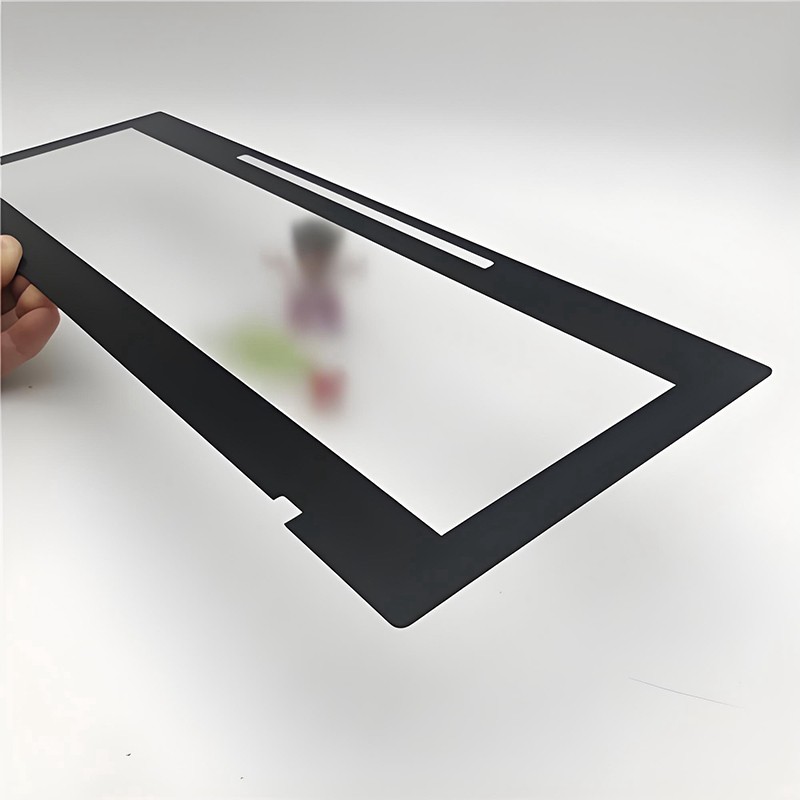
Our AG Cover Glass and Coating Thickness
At our company, we take great care in determining the optimal anti - glare coating thickness for our AG Cover Glass. We use advanced manufacturing techniques to ensure that the coating thickness is consistent and meets the highest quality standards.
Our AG Etched Glass is a prime example of our commitment to quality. The chemical etching process we use allows us to create a very precise and uniform anti - glare coating. This results in excellent anti - glare performance without sacrificing optical clarity.
For applications that require even more advanced anti - glare properties, we offer Display Anti Glare solutions. Our team of experts works closely with customers to understand their specific needs and determine the best coating thickness for their applications.
Conclusion
The anti - glare coating thickness of AG Cover Glass is a critical factor that can greatly affect its performance and quality. By understanding the importance of coating thickness, manufacturers can produce high - quality AG Cover Glass that meets the diverse needs of different applications.
If you're in the market for AG Cover Glass and want to learn more about how the coating thickness can impact your product, don't hesitate to reach out. We're here to help you find the perfect solution for your specific requirements. Whether you need a thin coating for a sleek, high - clarity display or a thick coating for extreme anti - glare in outdoor environments, we've got you covered.
References
- Industry reports on display technologies and anti - glare materials.
- Research papers on the relationship between coating thickness and anti - glare performance.