

What materials are cover glass usually made of?
Sep 24, 2026
Cover glass is an essential component in various devices, from smartphones and tablets to smartwatches and automotive displays. It not only protects the underlying screen but also enhances the user experience through features like scratch resistance, optical clarity, and touch sensitivity. As a cover glass supplier, I have in - depth knowledge of the materials commonly used to make cover glass. In this blog, I will explore the different materials that cover glass is usually made of.
1. Soda - Lime Glass
Soda - lime glass is one of the most traditional and widely used materials for cover glass. It is composed mainly of silica (SiO₂), sodium carbonate (Na₂CO₃), and lime (CaO). This type of glass is relatively inexpensive to produce, which makes it a popular choice for applications where cost is a significant factor.
Soda - lime glass has good transparency, allowing for clear visibility of the screen content. However, it has relatively low scratch resistance compared to some other materials. It can be easily scratched by sharp objects, which may reduce the aesthetic appeal and functionality of the device over time. Despite its limitations, soda - lime glass is still used in some low - end consumer electronics and applications where the risk of scratching is relatively low.
2. Aluminosilicate Glass
Aluminosilicate glass has become a staple in the cover glass industry, especially for high - end consumer electronics. It contains aluminum oxide (Al₂O₃) in addition to silica and other components. This composition gives aluminosilicate glass several advantages over soda - lime glass.
One of the key benefits of aluminosilicate glass is its high scratch resistance. It can withstand daily wear and tear from keys, coins, and other objects in a user's pocket or bag. This makes it ideal for use in smartphones and tablets, where the screen is frequently exposed to potential scratches.
Another advantage is its strength. Aluminosilicate glass can be chemically strengthened through a process called ion exchange. In this process, smaller sodium ions in the glass are replaced with larger potassium ions, creating a compressive stress layer on the surface of the glass. This compressive stress layer helps the glass resist cracking and shattering when subjected to impact.
Many well - known brands use aluminosilicate glass in their devices. For example, Consumer electronics AG glass is a type of aluminosilicate glass that offers a matte finish, which can reduce glare and fingerprint smudges, enhancing the user experience.
3. Gorilla Glass
Gorilla Glass is a brand of aluminosilicate glass developed by Corning. It has become synonymous with high - quality cover glass for consumer electronics. Gorilla Glass is known for its exceptional strength, scratch resistance, and thin profile.
Corning has continuously improved the technology behind Gorilla Glass over the years. Each new generation of Gorilla Glass offers enhanced performance, such as better drop resistance and higher scratch resistance. For example, Gorilla Glass Victus, the latest version at the time of writing, can survive drops from up to 2 meters onto hard, rough surfaces and is more scratch - resistant than previous generations.
Gorilla Glass is used in a wide range of devices, including smartphones, tablets, laptops, and smartwatches. Its popularity is due to its ability to provide reliable protection for the device's screen while maintaining optical clarity and touch sensitivity.
4. Sapphire Glass
Sapphire glass is made from synthetic sapphire, which is a crystalline form of aluminum oxide (Al₂O₃). It is one of the hardest materials available, second only to diamond. This extreme hardness gives sapphire glass excellent scratch resistance. It can resist scratches from even the sharpest objects, making it an ideal choice for applications where scratch protection is of utmost importance.
In addition to its scratch resistance, sapphire glass has high optical clarity and is highly resistant to chemical corrosion. However, sapphire glass is more expensive to produce than other types of cover glass. This high cost limits its use to high - end devices, such as luxury watches and some high - end smartphones.
The production process of sapphire glass is complex and time - consuming. It involves growing large sapphire crystals and then cutting and polishing them to the desired shape and thickness. Despite its high cost, sapphire glass offers unparalleled scratch protection, which makes it a valuable option for devices that require the highest level of durability.
5. AR Coated Heat Strengthened Glass
AR Coated Heat Strengthened Glass combines the benefits of heat - strengthening and anti - reflective (AR) coating. Heat - strengthening is a process where the glass is heated to a high temperature and then rapidly cooled. This process creates a compressive stress layer on the surface of the glass, similar to the ion - exchange process used in aluminosilicate glass.
The AR coating on the glass helps to reduce reflections, improving the visibility of the screen, especially in bright environments. This is particularly important for devices such as outdoor displays and automotive dashboards, where glare can be a significant problem.
AR Coated Heat Strengthened Glass offers a good balance between strength, optical performance, and cost. It is suitable for a wide range of applications, from consumer electronics to industrial displays.
6. Foldable Glass for Display
With the increasing popularity of foldable devices, foldable glass for display has emerged as a new type of cover glass. This type of glass needs to be flexible enough to withstand repeated folding and unfolding without cracking or losing its optical properties.
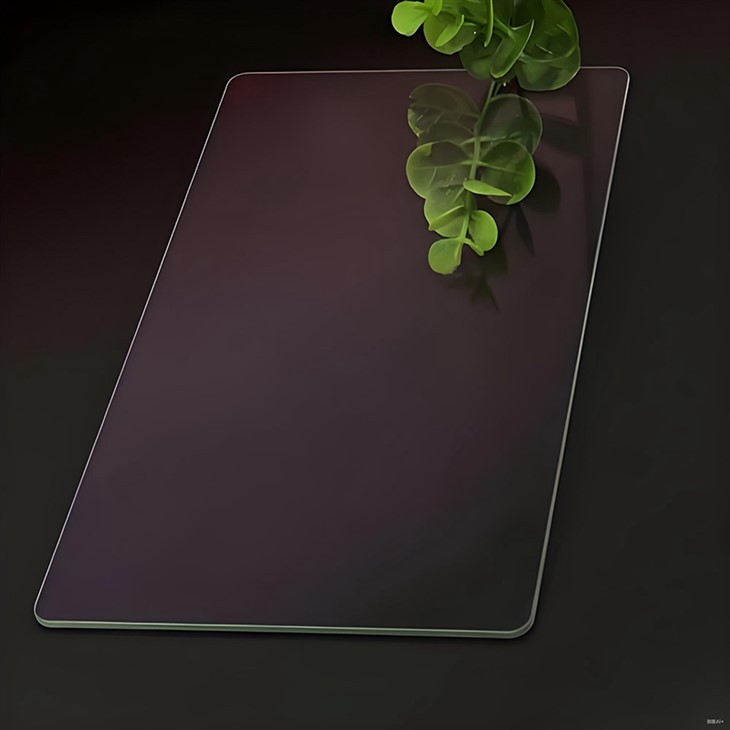

Foldable glass is typically made of ultra - thin glass (UTG) that has been chemically strengthened. The thinness of the glass allows it to bend without breaking, while the chemical strengthening process enhances its durability. Foldable glass offers a more premium and durable alternative to plastic films, which are commonly used in early foldable devices.
As the demand for foldable devices continues to grow, the development of foldable glass is expected to advance further, with improvements in flexibility, strength, and optical performance.
Conclusion
In conclusion, there are several materials commonly used to make cover glass, each with its own advantages and disadvantages. Soda - lime glass is a cost - effective option but has limited scratch resistance. Aluminosilicate glass, including Gorilla Glass, offers a good balance of strength, scratch resistance, and cost, making it a popular choice for consumer electronics. Sapphire glass provides unparalleled scratch protection but is expensive. AR Coated Heat Strengthened Glass combines heat - strengthening and anti - reflective properties for improved visibility, and foldable glass is designed to meet the needs of the emerging foldable device market.
If you are in the market for cover glass for your devices, I encourage you to contact us to discuss your specific requirements. We are a professional cover glass supplier with a wide range of products and the expertise to provide you with the best solution for your application. Whether you need a high - scratch - resistant glass for a smartphone or a foldable glass for a new - generation device, we can help.
References
- Corning Gorilla Glass official website
- Industry reports on cover glass materials
- Research papers on glass manufacturing and properties