

Custom cover glass for industrial touch screens
Jul 15, 2026
TFT LCD panels only deliver visual display. If touch operation needed, you must attach an industrial touch screen on top of LCD. The touch sensor layer bond directly to the TFT surface.
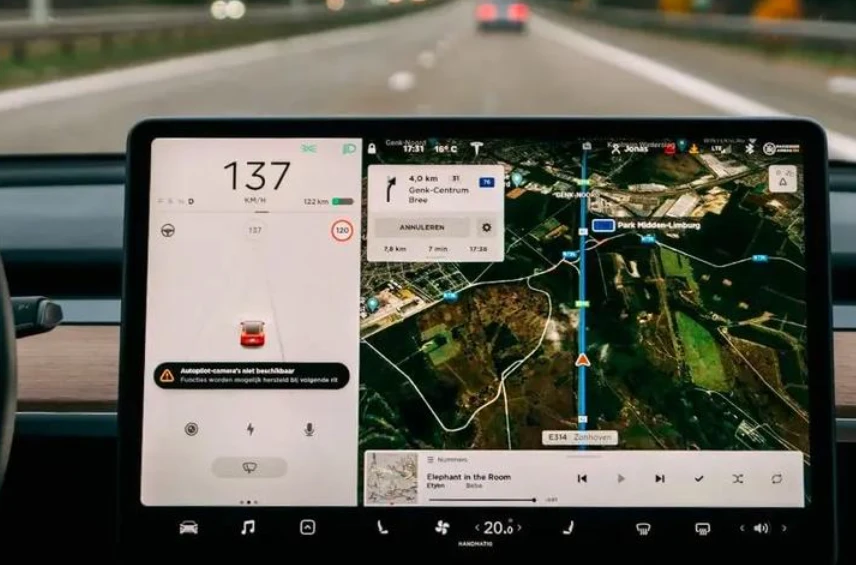
Lots of customers want unique panel apperances for the devices but full custom touch module development comes with extremely high costs. So customze the top cover glass will be a budget friendly option to realize personalized designs. For capacitive touch screens, the topmost protective layer is the cover glass: It's the easiest and most cost effective part to customize. Below is a full breakdown of customizable cover glass options for industrial touch applications.
First, Customizable Thickness For Cover Glass
The standard cover glass thickness matches the LCD screen size, and the full touch module thickness is fixed for mass production. Here is the standard recommended spec table:
| LCD Screen Size | Standard Cover Glass Thickness | Full Touch Module Thickness |
|---|---|---|
| 7.0" | 0.8 mm | 1.4 mm |
| 10.1" | 0.55 mm | 1.4 mm |
| 10.4" | 0.7 mm | 1.4 mm |
| 12.1" | 0.7 mm | 1.4 mm |
| 15" | 0.7 mm | 1.8 mm |
Second, True Color Display With High Clarity Cover Glass
High quality TFT screens deliver sharp & vivid images. But when touch panel laminated on top, poor quality cover glass will dim colors and reduce image fidelity.
We use ultra transparent cover glass substate for industrial touch screens. It minimizes light loss and color distortion that screen remains original bright, lifelike visuals even after touch lamination.
Third, Safety options: Two main tempered glass types
Safety isn't a negotiable topic for industrial cover glass. There are 2 most popular reinforced glass options: Chemical tempered glass and thermal tempered glass. Both get extra strength through special heating or chemical processing, but they're totally diffferent when break:
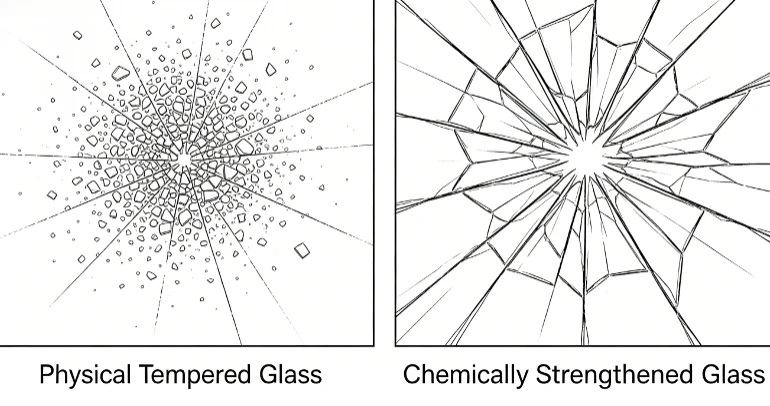
Chemical tempered glass:
When break, it splits into long, strip like fragments. It's the first choice for thin industrial touch screens with thickness below 3mm, zero optical distortion and stable touch performance.
Thermal tempered glass:
When break, it become into tiny blunt granular pieces which barely cut users to meet strict safety standards for public industrial terminals. It's better cost effective for glass thicker than 3mm.
Forth, Alternative Material: PMMA(Acrylic) Instead Of Glass
Cover glass gets its name because most panels use glass as the top protective layer. However, PMMA (Polymethyl Methacrylate, also called acrylic) is a practical lightweight substitute for certain industrial applications.
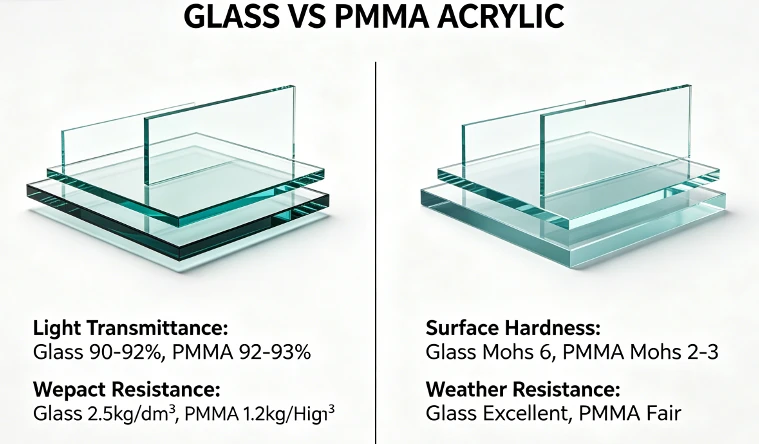
1.Core features of PMMA: It's a transparent thermoplastic, softer than glass with a surface hardness around 3H and slighly lower light transmittance.
2.Touch performance: PMMA has a lower dielectric constant to keep identical touch sensitivity as glass, the PMMA thickness must be half that of standard glass cover.
3.Suitable scenarios: Rugged, lightweight industrial equipment where weight and shock resistance are prioritized over ultra-high scratch hardness.
Fifth: Silk Printing Customization on Cover Glass
The cover glass sits on the outermost layer of the touch screen. We can customize the glass outline larger than the LCD to form a full flat front panel. On the border area outside the active display zone, two printing customizations are available:
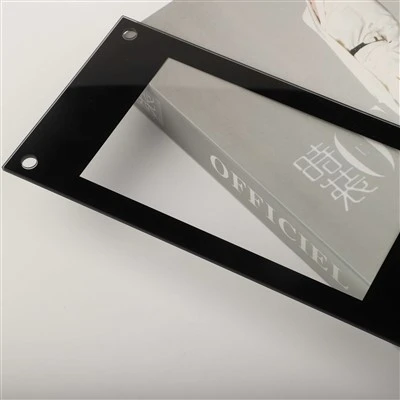
1.Solid black silk screen borders to hide internal circuit components and create a neat, unified look.
2.Custom silk-printed brand logos, model marks or functional icons.
This simple printing upgrade greatly improves the overall appearance and brand recognition of industrial touch control devices.


