

Key factors to affect glass ink curing performance
Jul 07, 2026
Why glass ink curing matter?
It's critical to achieve complete and consistent curing of glass inks to ensure adhesion, durability and optical quality in cover glass applications. According to our experience, incomplete curing may cause by various of factors. To understand these variables is the key for any screen printing operation. Below is a systematic analysis of the primary elements that influence the curing degree of UV-curable glass inks.
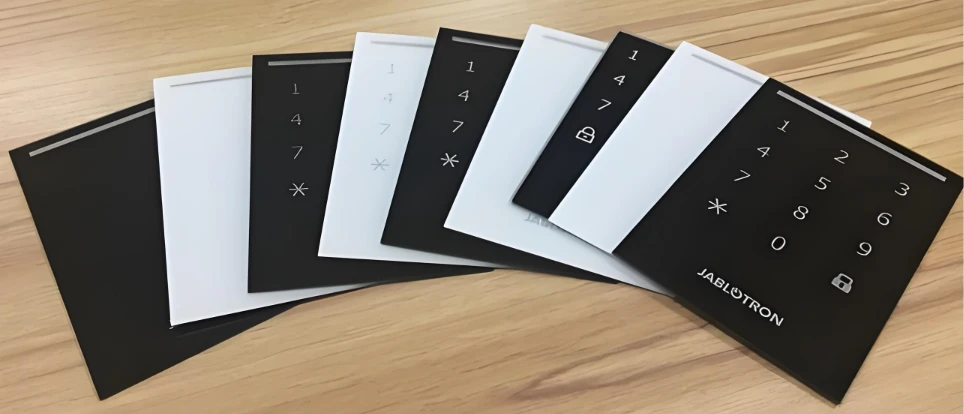
First, ink material composition and color
The base materials and pigments used in glass inks directly UV absorption and curing efficiency.
1.Raw material variability: Different grades from same raw material can exhibit varying curing reactivities. Certain material types inherently absorb UV radiation stonger, which slows the curing process.
2.Pigment colro effects: The darker pigments(especially those with high UV absorption) and specific colorant types can significantly retard curing. Higher pigment concentrations intensify this effect. This is particularly important when mixing custom colors. While standard base colors may cure without issue, blended colors, especially formulations combining high concentration white with dark colors like black or blue can present curing difficulties.
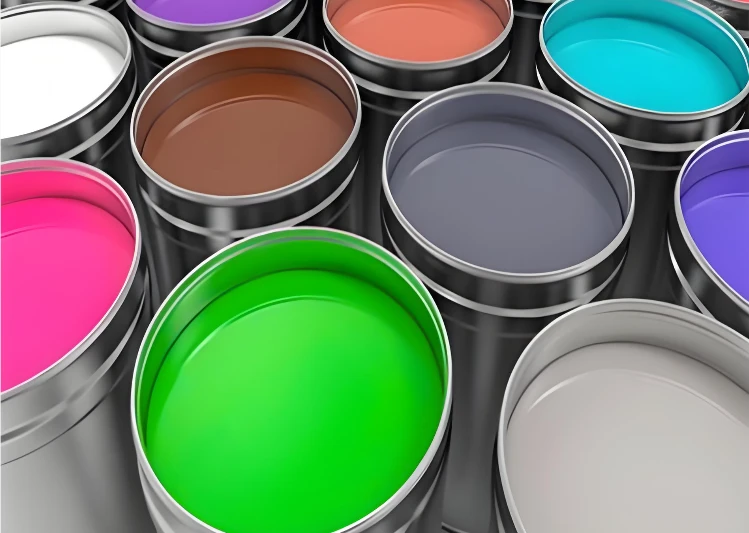
Second: Photoinitiator content
Photoinitiators are essential for initiating the curing reaction, but their concentration must be carefully controlled.
Insufficient or Excessive Addition: While adding photoinitiator is an effective way to improve cure speed, overloading can actually hinder curing and leave residual odor after illumination. The recommended addition amount is generally below 4%, and this limit should be strictly observed.
Third: Printed thickness on cover glass(Ink film build)
The thickness of the ink film deposited on the cover glass surface is a primary determinant of curing success and final adhesion quality.
Standard Color Inks on Cover Glass: For most pigmented inks applied to cover glass, an optimal curing profile is achieved within a film thickness of 10–12 µm. When the ink layer on the cover glass exceeds 15 µm, incomplete bottom curing frequently occurs, leading to compromised adhesion and potential delamination of the cover glass assembly.
Clear/Varnish Inks for Cover Glass: Clear or varnish-type inks exhibit excellent curing properties even at extreme thicknesses exceeding 100 µm on cover glass, making them less sensitive to this variable and suitable for specific optical cover glass applications.
Special Case: Oxygen Inhibition (Ozone Effect) on Cover Glass: A common challenge in cover glass printing is incomplete curing of lighter ink colors while darker areas cure properly. This is often linked to the use of mercury lamps, which generate ozone (O₃) via short-wave UV. The thinner ink layers typical of light colors on the cover glass surface have a larger area exposed to ozone. This can lead to ozone oxidation of the photoinitiator before the curing reaction initiates, rendering subsequent passes ineffective and degrading the protective function of the cover glass.
Forth: UV Intensity and Cumulative Energy for Cover Glass Curing
For any cover glass curing process, the overall degree of cure is determined by total cumulative energy, but UV intensity plays a more critical role in achieving through-cure (internal hardening) essential for the mechanical integrity of the cover glass.
Critical Intensity Threshold for Cover Glass: When UV intensity is too low, simply increasing exposure time (cumulative energy) cannot compensate for insufficient intensity to penetrate the deeper ink layers on the cover glass. In such cases, the solution is to reduce the lamp height or increase the lamp's power output to raise the peak intensity, ensuring consistent curing across the entire cover glass surface and avoiding weak spots that compromise the cover glass performance.
Fifth: Ambient Temperature During Cover Glass Curing
The surrounding temperature during UV exposure directly affects the physical response of both the cover glass substrate and the ink, influencing final adhesion.
Positive Effects on Cover Glass: Moderate heating can be beneficial, particularly for cover glass materials that expand upon heating. This expansion can enhance ink absorption and improve adhesion, contributing to a more durable cover glass product.
Negative Effects (Overheating) on Cover Glass: Excessive heat is detrimental to cover glass processing. It can cause a well-cured ink layer to become brittle or degrade, compromising the long-term mechanical properties and optical clarity of the finished cover glass. Proper temperature control is therefore vital for high-quality cover glass production.
Sixth:Substrate Pre-Treatment Methods for Cover Glass
The surface condition of the cover glass prior to printing is a prerequisite for good adhesion and reliable curing. Ink will not cure effectively on a contaminated or inert cover glass surface, regardless of the curing parameters.
Effective Treatments for Cover Glass: Depending on the condition of the cover glass, common pre-treatment methods include water washing (to remove dust), solvent wiping (e.g., with alcohol), drying, corona treatment, or flame treatment. These processes clean the cover glass surface and increase its surface energy, promoting better ink wetting and adhesion, which are fundamental to producing defect-free cover glass panels with durable decorative or functional coatings.
Seventh: Coating / Primer Interlayer for Challenging Cover Glass Substrates
For certain cover glass types or those with specific surface treatments, some glass inks may not form a chemical bond, resulting in poor adhesion and compromising the functionality of the cover glass.
Use of Tie-Coats on Cover Glass: In these cases, applying a dedicated primer or tie-coat layer is necessary. This intermediate layer is formulated to react chemically with both the ink and the challenging cover glass surface, thereby serving as a reliable bridge to guarantee strong, permanent adhesion. This approach is especially critical for cover glass used in high-reliability applications like touchscreens or automotive displays, where coating integrity is paramount.
Final Recommendation for Cover Glass Production
If you are currently facing curing issues with specific cover glass products, we recommend starting with a systematic check of ink film thickness, UV intensity, and cover glass pre-treatment processes. For persistent problems, consulting your ink supplier about optimizing photoinitiator packages and color formulations is advisable to ensure the highest quality and yield in your cover glass manufacturing line.


