

What to make glass better: The simple guide about surface treatments
Jul 13, 2026
Definition about surface treatment.
The surface treatment just means to change the outer layer of glass by phisical or chemical methods to give it new properties. It can make things look better, feel more nice or work more effectively.
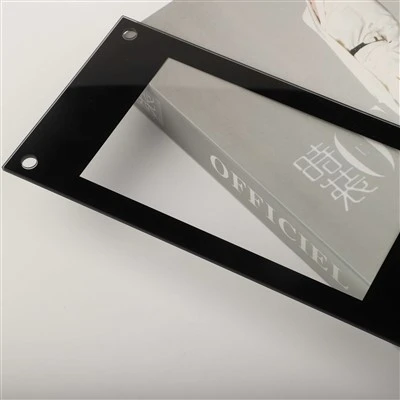
So let's look at some regular ways for glass get treated.
First, toughened glass(Physical tempered)
Think of toughened glass as glass under pressure on purpose. It made by heating and then quickly cooling the glass to creates stress on surface. The stress actually helps the glass resists breaking. When something hits on it, the surface stress absorbs the impact first, then the glass can take more force before it cracks.
What's the benefits?
4-5 times more impact resistant than regular glass
5 times stronger against normal glass
Good performance in handling temperature changes
Keep clear, smooth and resists fingerprints
Second, chemical strengthening(Ion exchange)
Except physical tempering, there's another way to strengthen the glass. The glass dipped into a hot salt bath. During this process, the small sodium ions on glass surface swap places with larger potassium ions. The bigger ions squeeze in tight, creating a hard compressed surface layer.
Why use it?
Very tough and scratch resistant
Marks couldn't leave easily
Less likely to shatter or crack
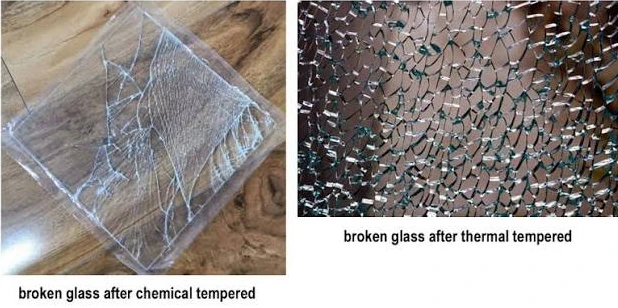
Third, polishing(Makes the glass clear again):
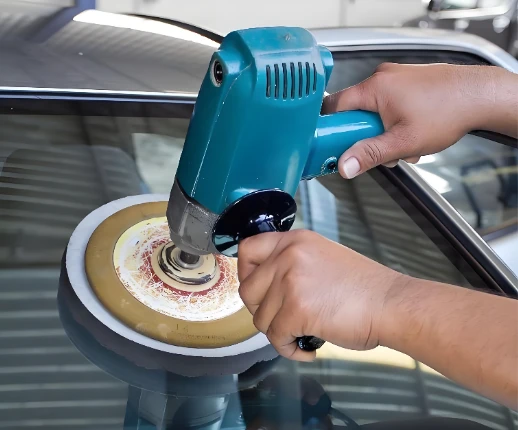
The polish process can removes scratches, lines and other flaws to improve clarity and shine. There are some ways to meet:
Fire polish: A flame softens the glass surface and smooths out small marks. It works well on bottle rims and hollow glassware, but the surface may not keep perfectly flat, which is best for soda lime and borosilicate.
Powder polish: A fine power(usually cerium oxide, also called "rare earth polish") is rubbed at high speed over the glass using a wool pad. Before that, the area is sanded with a fine grit(400 or higher). This method gives great transparency and refraction, which works on most glass types.
Acid polish: Acid eats away a thin layer of glass to smooth out surface defects. You still need to sand the surface first. The final result depends on glass itself, but this works on almost any type.
Forth, print on glass
You can print designs onto glass using several techniques: Inkjet, transfer, or screen printing. The most common one is screen printing. A mesh screen (made of nylon, silk, or metal) holds ink, and a squeegee presses the ink through the open areas of the mesh onto the glass, leaving a design behind.
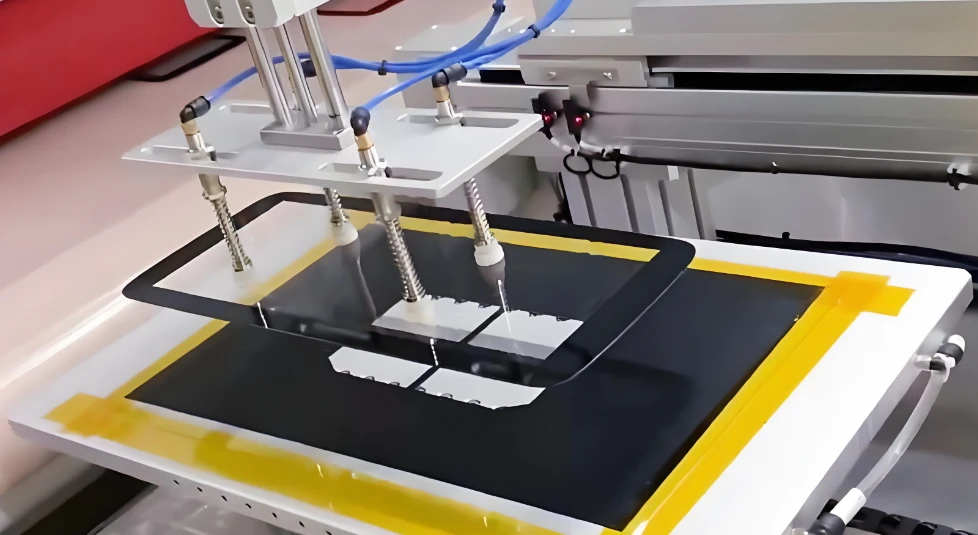
Fifth, glass coatings(A thin film added):
Coating means to use one or more ultra thin layers of metal or its compounds to glass surface. This changes how the glass handles light and heat.
The benefits including:
Let sunlight pass through but reduces glare
Give a mirror like, one way reflective effect
Offers more privacy
Stays flexible and durable
Resist rust, heat and scratches
Sixth: AF coating(Anti fingerprint):

AF means anti fingerprint. It's a nano thin coating applied under a vapor method. It fills in the tiny pores on glass surface, makes it smoother and harder for dirt and oil to stick. Even if something does get on it, you can wipe it off easily.
Main perk:
Keeps glass clean, repels oil and dirt, makes fingerprints much easier to remove.


