

The difference between spray AG against etch AG
Jun 27, 2026
Nowaday anti glare treatment become more and more popular in market especially cover glass, and there are 2 kinds of AG treatments you need to know when custom a piece of cover glass.

1.Spray AG
2.Etch AG
Which one will be better? See below picture(Left is spray, right is etch):
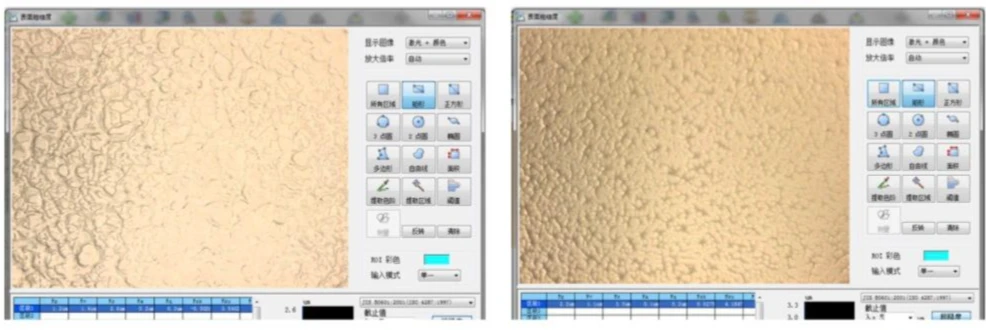
From picture, you will find more uniform and denser surface structure in etch(right).
So what's the advantages and disadvantages between 2 methods? Let's see below:
Etch:
Advantages: Nano treatment, anti finger, anti scratch, permanent and abrasion resistance.
Disadvantages: High technology requirement, parameters' uniform hard to control and not friendly to environment.
Usages: Car display, electronic pen, tablet, phone etc.
Spray:
Advantages: Convenient, fast, high production efficiency.
Disadvantages: Narrow parameters range, poor adhesion and adbrasion resistance.
Usages: Middle - low end market.
What's the parameters included in AG on cover glass
Haze:
It tells how much the light get scattered. To be simple, it's about how foggy the glass looks, the higher haze means better anti glare but lower clarity.
Roughness:
It refers to the tiny peaks and valleys on glass surface. It can affects both both how the glass looks and how it feels when you touch. Higher roughness makes the surface look less refined and creates more drag when swiping. It also reduces clarity, so lower roughness preferred in practice. The common spec is about:
Ra(height of the peaks)
Rsm (spacing between peaks)
Rm(r) (shape of the surface profile)
Gloss:
Basically it tells how shiny the glass appears. The higher gloss means the brighter glass looking but worse anti glare performance. Choose right gloss level is all about balancing shine and glare reduction.
DOI(Image distinctness):
It measures sharpness reflect images appear. Lower DOI means reflections look more blurry or hazy.


